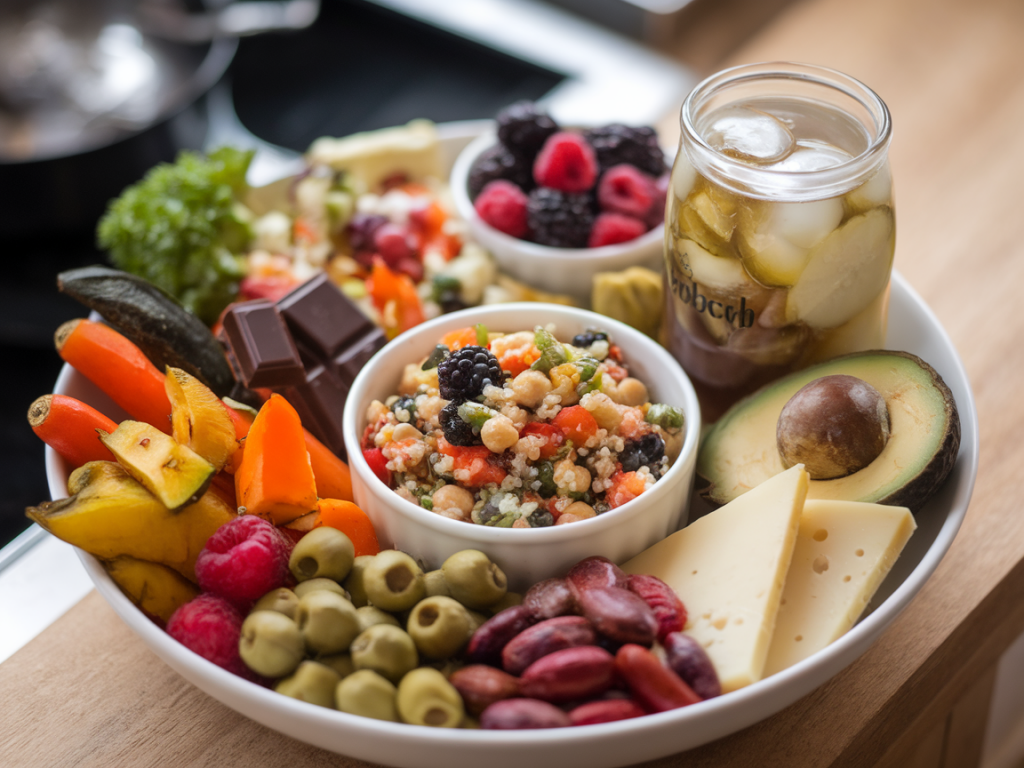
I often get asked which simple ingredient swaps can actually cut bloating fast. From my experience working with clients and testing changes myself, some swaps produce noticeable results within 24–48 hours. That doesn’t mean every bloating episode will vanish instantly—bloating has many causes—but when FODMAPs are the trigger, swapping the right ingredients can make a real difference quickly.
Why low‑FODMAP swaps can reduce bloating overnight
FODMAPs (fermentable oligo-, di-, mono-saccharides and polyols) are short-chain carbs that can ferment in the gut and draw water into the intestines, causing gas, distension and discomfort—often within a day of eating them. If you’re sensitive, removing or replacing high‑FODMAP foods can reduce fermentation and water retention quickly, which is why some people report less bloating in 24–48 hours.
I’m careful to point out that low‑FODMAP swaps are most useful when FODMAP sensitivity is the issue. If your bloating comes from other causes (slow transit, salt/fluid shifts, fiber changes, hormonal cycles, or medical conditions), these swaps may help less. Still, they’re practical, easy to try, and won’t hurt if you’re aiming for gentler digestion.
How to use these swaps
Start by removing or replacing the high‑FODMAP ingredient at one meal—breakfast or dinner is a good test. Monitor symptoms for 48 hours. If things improve, continue for a few days. If not, revert and try a different swap or check other causes. Small, consistent changes are the best approach. I also recommend keeping a short food-and-symptom log so you can spot patterns.
12 ingredient swaps that show results in 48 hours
- Regular milk → Lactose‑free milk
Why: Lactose is a disaccharide that commonly triggers bloating in lactose‑intolerant people. Lactose‑free milk contains the same nutrients without the lactose. I’ve seen clients notice reduced gassiness by the next day. Brands: Arla Lactofree, Alpro lactose‑free. - Wheat bread → Sourdough spelt or low‑FODMAP gluten‑free bread
Why: Wheat contains fructans, which ferment in some people. Long-fermented sourdough (100% spelt or wheat depending on tolerance) can be easier to digest for some—but lower risk swaps are certified low‑FODMAP gluten‑free breads. Try: Schär gluten‑free slices, or a 100% spelt sourdough from a trusted bakery. - Onions/garlic → Garlic‑infused oil or chives
Why: Onions and garlic are high in fructans. The fructans are water‑soluble, but the flavor compounds are oil‑soluble—so garlic‑infused olive oil gives flavor without the FODMAP load. Use chives for a fresh onion note. I use a splash of garlic oil in sautés with great results. - Cauliflower → Zucchini or carrots
Why: Cauliflower is high in oligos and often causes quick bloating. Zucchini and carrots are lower in FODMAPs when eaten in moderate amounts and are less likely to trigger fermentation overnight. - Apples/pears → Oranges, strawberries or kiwi
Why: Apples and pears are high in excess fructose and polyols. Berries and citrus are lower‑FODMAP choices that usually sit better with sensitive guts. A fruit swap for breakfast or dessert can reduce bloating by the next day. - Honey → Maple syrup or glucose‑based sweeteners
Why: Honey contains excess fructose for some people. Maple syrup and golden syrup (or dextrose/glucose) are less likely to trigger fermentation. I switch to a small drizzle of maple for my morning porridge and notice steadier digestion. - Dried fruit → Fresh banana (ripe but not overripe) or small kiwifruit
Why: Dried fruit packs polyols and concentrated sugars—fast track for bloating. Fresh bananas and kiwifruit in moderate portions are gentler. I avoid dried apricots and raisins when I want to feel lighter quickly. - Beans/legumes → Canned lentils rinsed well or firm tofu
Why: Many legumes are high in oligosaccharides. Canned lentils rinsed thoroughly reduce some fermentable sugars and can be tolerated in small amounts. Firm tofu provides protein without the same FODMAP load. If legumes are a frequent trigger, try tofu or smaller portions of rinsed lentils. - Cauliflower rice → White rice or quinoa
Why: Cauliflower rice is trendy but often causes bloating in sensitive people. Simple white rice or a modest portion of quinoa is low‑FODMAP and typically settles quickly. I swap cauliflower rice when prepping a meal the night before an event and feel less bloated. - Soft wheat pasta → Rice pasta or buckwheat soba (100% buckwheat)
Why: Wheat pasta contains fructans. Rice pasta or pure buckwheat noodles are lower in FODMAPs and usually reduce fermentation. Brands like Jovial (brown rice pasta) or Clearspring (100% buckwheat soba) are good options. - High‑FODMAP salad dressings (with garlic/onion) → Simple lemon‑olive oil or tahini‑based low‑FODMAP dressings
Why: Dressings often hide garlic or high‑FODMAP onion powders. A squeeze of lemon, olive oil, and a pinch of salt keeps flavor high and FODMAPs low. Tahini in small amounts is also well tolerated and adds richness. - Sorbitol/xylitol gum or mints → Sugar‑based gum or mint tea
Why: Polyols like sorbitol and xylitol are notorious for causing quick bloating and gas. If you use sugar-free gum or mints, swap to a non‑polyol alternative or switch to peppermint tea, which can soothe the gut instead of fermenting in it.
Quick comparison: common high‑FODMAP vs low‑FODMAP swaps
| High‑FODMAP | Low‑FODMAP alternative | Why it helps |
|---|---|---|
| Milk | Lactose‑free milk | Removes lactose that ferments, reducing gas |
| Onion/garlic | Garlic‑infused oil / chives | Keeps flavor without fructans |
| Apples/pears | Oranges/berries | Lower excess fructose and polyols |
| Wheat bread | Gluten‑free bread / sourdough spelt | Less fermentable fructans |
Practical tips when testing swaps
Keep changes simple: swap a single ingredient at a time so you can tell what’s working. Portion sizes matter—many low‑FODMAP foods are only safe up to a limit. Use a symptom diary for 48–72 hours. If you see improvement, continue; if not, reintroduce and try a different swap.
Also consider timing: if you want to test an overnight effect, avoid large portions in the evening and try the swap at dinner. Hydration, moderate salt intake, and light movement (walk after meals) also help reduce bloating independent of FODMAPs.
Resources and product notes
If you want to dive deeper, Monash University’s FODMAP app is a reliable resource for portions and tolerance levels. For shopping, many supermarkets now carry certified low‑FODMAP products—look for clear labeling. Personally, I keep a small selection of lactose‑free milk, gluten‑free pasta, and garlic‑infused olive oil in my pantry as go‑to swaps when I want to feel lighter quickly.