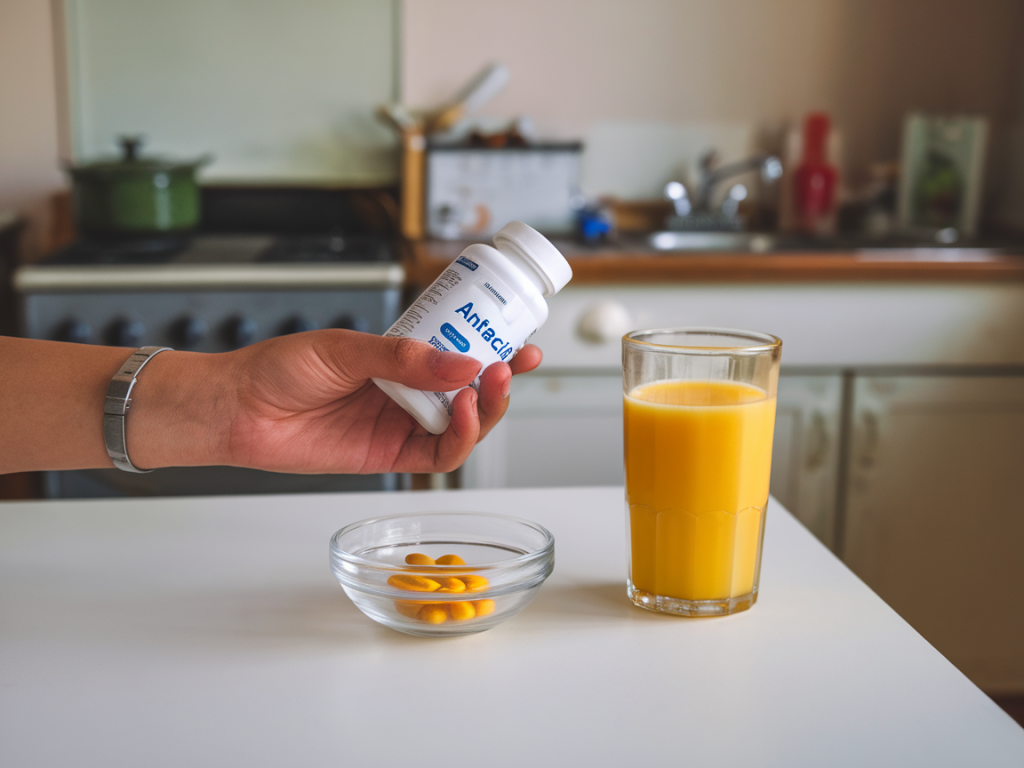
I’ve spent years helping people translate evidence into practical health steps, and one recurring pattern I see is how easily a simple fix — like taking antacids for heartburn — can become an invisible cause of nutrient shortfalls. If you rely on antacids, proton pump inhibitors (PPIs) or H2 blockers regularly, it’s worth checking whether that habit is quietly affecting your nutrient status. Below I walk through how acid suppression changes nutrient absorption, which vitamins and minerals are most at risk, the signs to watch for, what tests to ask your clinician for, and safer alternatives and practical fixes you can try.
Why stomach acid matters for nutrient absorption
Stomach acid does more than burn food — it plays a direct role in releasing nutrients from food and enabling them to be absorbed further down the digestive tract. When you reduce acid (with antacids such as Tums or Rolaids, H2 blockers like ranitidine — historically — or PPIs such as omeprazole and esomeprazole), several absorption pathways change:
Protein digestion is altered, affecting how minerals bound to food are freed.Conversion of dietary vitamin B12 from food-bound form to absorbable form depends on acid and pepsin.Acid helps keep iron and calcium in soluble, absorbable forms.Some antacids literally bind minerals (e.g., aluminum-based antacids can bind phosphate; calcium antacids change calcium balance).Which nutrients are most commonly affected?
Not everyone on acid suppression develops deficiencies, but the most commonly impacted nutrients are:
Vitamin B12 — long-term acid suppression can impair release of B12 from food, leading to low B12 over months or years. Deficiency can cause fatigue, neuropathy, balance problems, memory issues.Iron — non-heme iron (plant-based iron) becomes less soluble without acid, increasing risk of low ferritin and anemia, especially in menstruating people.Calcium — acid aids calcium carbonate absorption; long-term PPI use has been associated with slightly higher fracture risk in some studies.Magnesium — rare but serious; low magnesium can cause muscle cramps, irregular heartbeat, and seizures. PPIs are a known risk factor for hypomagnesemia with long-term use.Zinc and copper — possible small effects due to altered release/absorption, though less consistently documented.Folate and vitamin C — indirect effects can occur if overall diet is limited or if antacids bind nutrients.Symptoms that should make you pause
Watch for these signs; they aren’t diagnostic by themselves but are good prompts to investigate:
Persistent fatigue, brain fog, numbness/tingling in hands or feet (possible B12).Unusual bruising, pale skin, or shortness of breath with exertion (possible iron-deficiency anemia).Muscle cramps, tremor, heart palpitations (possible low magnesium).Early or unexplained bone pain or fractures (raise concern about calcium and bone health).Changes in mood, persistent low energy, or slowed thinking (could link to multiple deficiencies).Which tests to ask for (and what they tell you)
If you’re using acid-suppressing medication regularly (daily or near-daily for months), ask your clinician about baseline and periodic testing:
Complete Blood Count (CBC) — screens for anemia.Serum ferritin and iron studies — assess iron stores and diagnose iron-deficiency anemia early.Serum vitamin B12 — low B12 is diagnostic, but if results are borderline ask for methylmalonic acid (MMA) or homocysteine for better sensitivity.Serum magnesium — hypomagnesemia can be missed clinically; check if you have muscle symptoms or are on long-term PPI.25-hydroxy vitamin D and serum calciumSerum zinc — in select cases (poor wound healing, hair loss).Bring a list of your medications (including OTC antacids) because interactions matter when interpreting results.
Practical steps you can try today
Here’s a pragmatic plan I often recommend: start with simple, reversible changes and work with your clinician if you need medication adjustments or supplements.
Review the reason for the medication. If you’re taking antacids for occasional reflux, try lifestyle measures first (below). For diagnosed GERD or frequent severe reflux, don’t stop meds abruptly — discuss a supervised plan with your doctor.Adjust timing and choice of antacid. If you need antacid relief, calcium carbonate (Tums) taken with food is absorbed better than with no food. For chronic acid suppression, PPIs have stronger nutrient impacts than occasional antacid use — aim for the lowest effective dose.Address the root causes of reflux. Weight management, reducing late-night meals, avoiding trigger foods (coffee, alcohol, fatty foods, spicy foods), quitting smoking and elevating the head of the bed can reduce medication need.Test before supplementing high-dose iron or B12 without guidance. Many people can correct mild shortfalls through diet or targeted supplementation, but iron in particular should be prescribed based on labs.Prefer absorbable supplement forms if you need them: — B12: sublingual methylcobalamin or intramuscular injections if severe; — Iron: heme iron supplements or iron bisglycinate can be gentler on the gut; — Calcium: calcium citrate is better absorbed without strong acid than calcium carbonate; — Magnesium: magnesium citrate or glycinate are often used for better absorption.When to seek urgent attention
Some deficiency signs require prompt medical attention. See your clinician or the emergency department if you have:
Severe muscle weakness or persistent irregular heartbeats (possible severe low magnesium).Progressive neurological symptoms: new balance problems, severe numbness, or rapid cognitive decline (possible advanced B12 deficiency).Symptoms of severe anemia: fainting, chest pain, or very short of breath.Longer-term monitoring and practical habits
If you and your doctor decide ongoing acid suppression is necessary, set a follow-up plan: annual (or 6–12 month) blood checks for B12, ferritin, magnesium and vitamin D, and a medication review to try dose reduction when possible. Keep a food journal linking symptoms to meals — often small changes let people cut back on medication.
Finally, if you need a quick place to start: swap late-night heavy meals for lighter options, avoid lying down within two hours of eating, try peppermint-free herbal teas (peppermint can worsen reflux), and add B12-rich foods like fortified cereals, dairy, eggs and fatty fish if you eat them. For plant-based eaters, pay attention to iron pairing: combine iron-rich plant foods with vitamin C sources (citrus, bell peppers) to boost absorption when you’re concerned about iron.