Nutrition

How to read your continuous glucose monitor to stop late-afternoon energy crashes

How to read your continuous glucose monitor to stop late-afternoon energy crashes

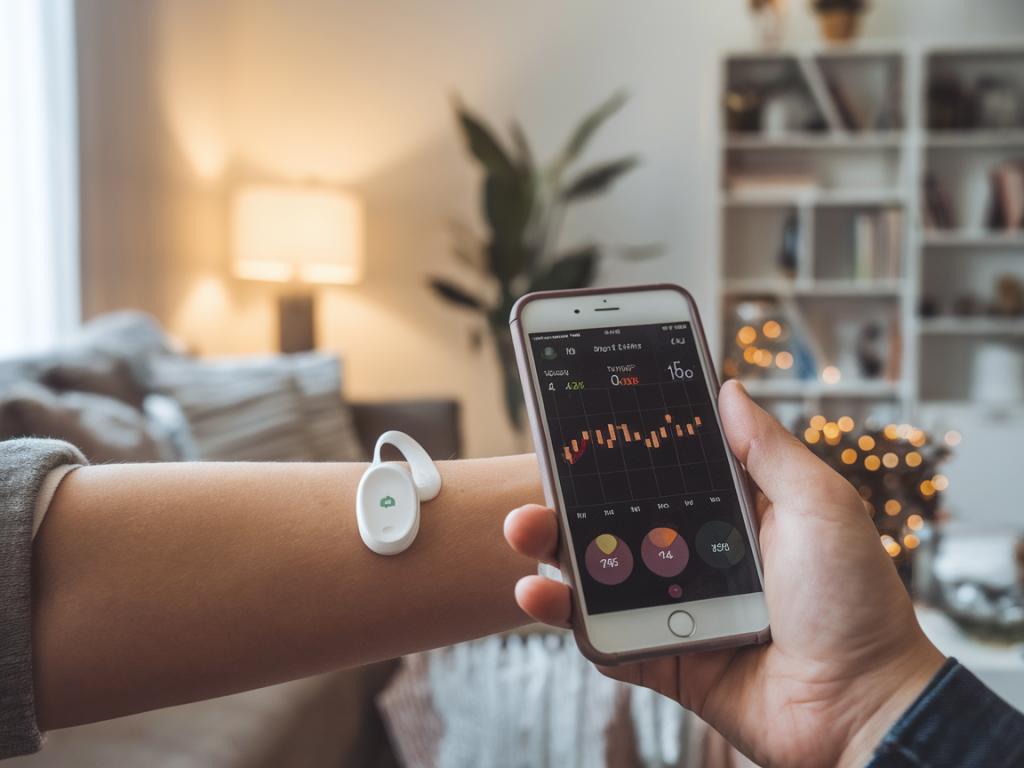
I used a continuous glucose monitor (CGM) for several months to better understand why I hit a wall each afternoon—around 3–5pm—when my energy, focus and motivation would nosedive. The CGM didn’t magically fix everything, but it gave me precise, minute-by-minute feedback that turned vague feelings into actionable patterns. If you get a similar late-afternoon crash, reading your CGM can help you identify causes and try targeted fixes that actually work.

Why a CGM is useful for afternoon crashes

A CGM shows you how your glucose responds to meals, snacks, caffeine, movement and stress. Unlike a single finger-prick test, it reveals the trend—whether glucose is rising, stable or falling—and the speed of that change. For late-afternoon crashes, it’s often not the absolute number that matters but the direction and the rate of change. A fast decline from a high post-meal peak can create a rebound low (or a sensation of low energy) even if your glucose remains in a “normal” range.

Key patterns to look for

When I began, I specifically watched for these patterns. You can check your CGM for the same.

  • Post-lunch spike then rapid fall: A big rise after lunch followed by a steep drop 2–4 hours later often aligns with a 3pm crash.
  • Late postprandial peak: If lunch is digested slowly or contains a lot of refined carbs, the glucose peak may occur later—right when you expect to be productive—and subsequent fall makes you feel tired.
  • Gradual downward trend: Sometimes there’s no spike; glucose just drifts down all afternoon, which can also sap energy.
  • High variability: Large swings up and down within a day tend to correspond with variable energy and mood.
  • How I tracked and annotated my CGM data

    I treated the CGM like a lab notebook. Every meal, snack, nap, walk, coffee and stressful call got a timestamp in the app notes. After a week, I replayed the days to see what reliably preceded that afternoon slump.

  • Note meal composition (carbs, protein, fat, fiber)
  • Note meal timing and portion size
  • Record caffeine (and time consumed)
  • Log activity around meals (walking, desk work, heavy exercise)
  • Track sleep quality the night before
  • This contextual info helped me link behavior to the glucose line. For example, a pasta-heavy lunch + no post-meal walk = a 60–80 mg/dL spike then a fast drop to feelings of fatigue. A protein-focused lunch + 10-minute walk = a mellow curve and steady afternoon energy.

    What glucose numbers mean for energy (simple guide)

    Everyone is different, but here’s a practical table I used to interpret readings in relation to how I felt:

    Glucose range (mg/dL) Typical feel What to watch
    70–90 Sometimes low energy, light-headed if trend is down Watch for downward arrows; need stabilizing snack if falling
    90–140 Stable energy for most people Ideal window; avoid large spikes that precede falls
    140–200 May feel foggy or tired especially after a sharp rise Large swings common; prefer smaller, more balanced meals

    Practical fixes I tested that helped

    After identifying patterns, I experimented with specific strategies and used the CGM to compare outcomes. These are the ones that consistently reduced my afternoon crash:

  • Shift meal composition: Adding solid protein (20–30g) and vegetables to lunch reduced post-meal spikes. For example, swapping a large sandwich for a chicken salad with whole grains lowered peaks and smoothed the curve.
  • Include healthy fats and fiber: Avocado, nuts or olive oil slowed digestion and prevented rapid falls later.
  • Reduce isolated refined carbs at lunch: White bread, soda or sugary desserts produced large peaks then sharp declines. Whole-food carbs or smaller portions behaved better.
  • Smaller, timed snack: A mid-afternoon snack 2–3 hours after lunch helped if my CGM showed a downward trend. My go-to: Greek yoghurt with a few nuts, or an apple with peanut butter—protein + fiber + a bit of fat.
  • Move after lunch: A 10–20 minute walk consistently flattened peaks and improved late-afternoon glucose stability. Even light activity helps glucose uptake without causing post-exercise dips if you avoid long, intense sessions right after a big carb meal.
  • Space caffeine: I noticed coffee around 2–3pm sometimes made the crash sharper later—likely because of an earlier insulin/glucose interaction. If you’re sensitive, try decaf or move caffeine earlier.
  • How to decide when to snack (using the trend)

    Instead of snacking on a schedule, I started snacking based on the CGM trend arrow:

  • If glucose is falling quickly (down arrow) and I feel fuzzy or low-effort, a balanced snack stopped the crash.
  • If glucose is stable in the 90–140 mg/dL range, waiting and choosing a smaller snack or delaying until a real drop avoids unnecessary calories.
  • If there’s a fast rise, avoid adding more carbs—wait until the trend stabilizes.
  • Special considerations

    Some situations need extra caution:

  • If you take insulin or medications: Patterns can be different and any changes should be discussed with your clinician. I coordinated snack timing with my care team when I adjusted insulin timing for exercise.
  • Sleep and stress matter: Poor sleep and high stress both made my glucose more volatile. When sleep was bad, the afternoon slump was worse for the same meals.
  • Hydration: Mild dehydration can worsen fatigue; sometimes a glass of water plus a small snack did the trick when I felt “crashy.”
  • Tools and apps I used

    I used a Dexcom sensor paired with its app for continuous trend arrows and alerts, and sometimes wore a FreeStyle Libre to compare. The Dexcom trend arrows were especially helpful for deciding whether to act immediately or wait—two arrows down (fast fall) meant act; one arrow down (slow) meant monitor and consider a small snack.

    How to test changes and keep improving

    Make one change at a time and track for a week. For example:

  • Week 1: Add 20 g protein to lunch and note the trend
  • Week 2: Add a 10-minute walk after lunch instead and compare
  • Week 3: Combine both and test a small 3pm snack only if the CGM shows downward arrows
  • Over several weeks, you’ll discover which levers—meal composition, portion size, timing, or movement—affect your afternoon energy most. The CGM’s value is rapid feedback: you don’t have to guess whether something worked; you can see it.

    Reading your CGM isn’t about chasing perfect numbers. It’s about learning the rhythms of your body and using that knowledge to make simple, practical adjustments—so you can get through the afternoon without the usual slump and maintain steady focus until the end of the day.

    You should also check the following news:

    Exactly what to eat after an evening strength session to build muscle without wrecking sleep
    Nutrition

    Exactly what to eat after an evening strength session to build muscle without wrecking sleep

    I just finished a heavy evening strength session — legs were on fire, my back is pleasantly sore,...

    Aug 04 Read more...
    How to design a 10-minute morning routine that lowers anxiety and boosts focus before work
    Mental Health

    How to design a 10-minute morning routine that lowers anxiety and boosts focus before work

    I used to stumble into my home office still buzzing from the friction of commuting and the mental...

    Aug 10 Read more...