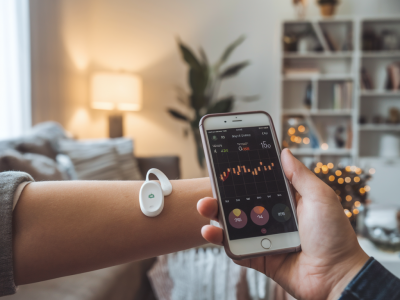
I used to stumble into my home office still buzzing from the friction of commuting and the mental loop of emails, only to find my morning anxiety followed me straight to my desk. Over the years I’ve refined a very short morning routine—10 minutes or less—that reliably lowers that anxious charge and sharpens focus for the first work block. I want to share that routine, why it works, and how you can adapt it to your day. No long rituals, no expensive gear—just small, evidence-aligned actions you can do before you open your laptop.
Why a 10-minute routine can actually move the needle
Short routines work because they create predictable cues for the brain and body. Consistency over time matters more than complexity. A compact routine targets three physiological levers that influence anxiety and attention:
There’s good evidence behind each of these: paced breathing reduces cortisol and subjective anxiety; low-intensity movement boosts alertness and executive function; and short, structured reflection (e.g., noting priorities) helps direct attention and cut through decision fatigue.
How I structure the 10 minutes
What follows is a routine I actually use on workdays. I’ve broken it into three blocks that add up to 10 minutes. You can shuffle the order or swap exercises, but keep the same basic elements: breath, body, mind.
I start seated, feet on the floor. I do 3 minutes of paced breathing: an inhale for 4 seconds, a pause of 1 second, exhale for 6 seconds. That 4-1-6 ratio softens the sympathetic nervous system without feeling forced. I use a simple free app like the Calm or iOS “Breathe” widget for timing, or I silently count. If you’re new to breathing work, start with 2 minutes and build up.
Next I stand up and move for four minutes. The goal is not a full workout—it’s to loosen tension and increase heart rate slightly. My go-to sequence:
If you prefer a guided option, the 7-Minute Workout apps or short YouTube mobility clips are handy. The aim is to feel refreshed, not exhausted.
Finally, I spend three minutes on a focused mental step. I alternate between two simple options depending on how I feel:
Either option reduces cognitive clutter and primes selective attention for work.
Evidence-based tweaks that help
Small additions improve consistency and effect:
Short adaptations for different mornings
Not every morning is the same. I’ll offer quick swaps based on how my brain/body feel.
Tools and products I recommend (and why)
These are optional, but they can make the routine easier to follow:
How to measure whether it’s working
Keep this simple. For a week, note two things:
If anxiety goes down by at least 1 point and focus improves, the routine is helping. If not, adjust the components—more breathing, less movement, or a stronger priority-setting step—until you notice reliably better mornings.
Common questions I get
Try active breathing patterns while moving—walking while doing a slow inhale/exhale rhythm—or shorten the breath practice to 60–90 seconds. Sometimes starting with movement calms the body enough for breathing work to help.
Daily practice builds the greatest benefit, but even 3–4 times per week creates meaningful change. The value is in consistency, not perfection.
Some effects—reduced heart rate and immediate calm—can happen during the first session. Changes in baseline anxiety and sustained focus usually emerge after 2–4 weeks of regular practice.
If you try this routine, I’d love to hear what you change and how it affects your mornings. Small tweaks from real people are how I keep improving the guidance I share—so drop a note on the site or reply to this post with your experience.