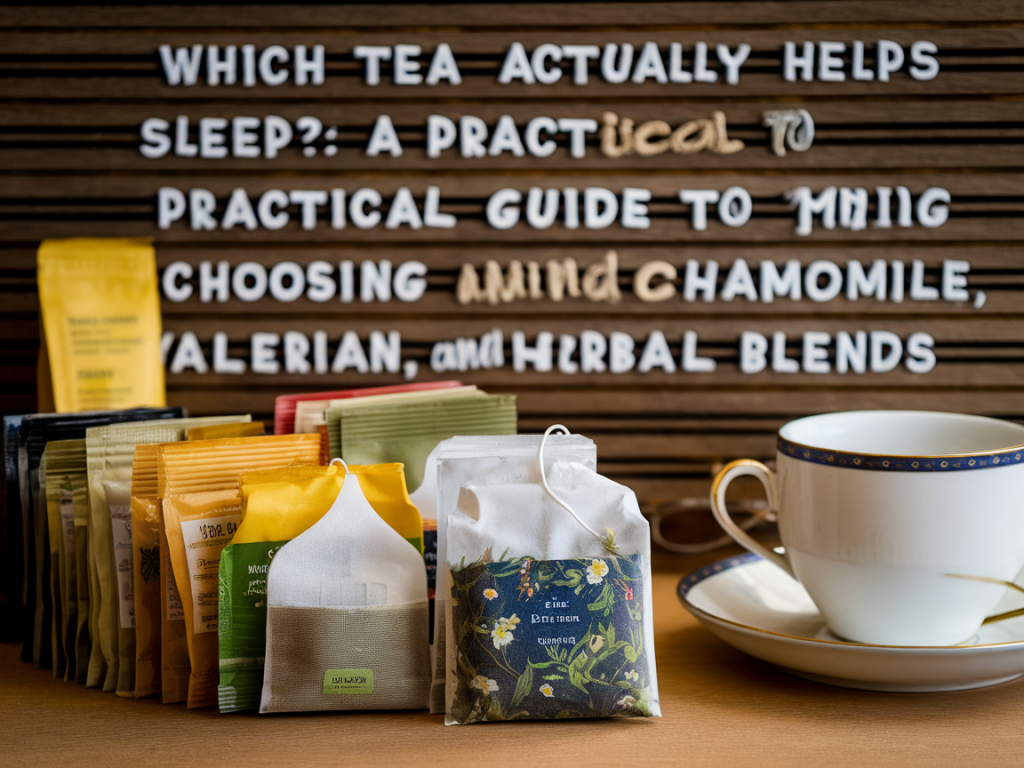
I’m a fan of simple, evidence-informed rituals that actually fit into a busy life, and a warm cup of tea before bed is one of mine. Over the years I’ve tried many blends, spoken with sleep specialists and nutritionists, and read the studies so I can separate marketing from what’s likely to help. Below I share a practical, personal guide to choosing and timing teas that may help with sleep — focusing on chamomile, valerian and common herbal blends — along with safety tips and how to make a bedtime cup that actually works for you.
What the science actually says (short version)
There’s no magic herbal tea that will cure chronic insomnia, but some herbs have modest, consistent evidence for improving sleep quality or reducing time to fall asleep. Here’s a quick snapshot:
- Chamomile: mild sedative effects, may improve sleep quality in people with mild insomnia. Evidence is modest but consistent.
- Valerian: often reduces time to fall asleep and may improve sleep quality for some people. Effects vary by individual and product.
- Herbal blends (lavender, lemon balm, passionflower): many blends show small benefits, and the combination of herbs + ritual can be helpful.
Chamomile: gentle, approachable, and versatile
Chamomile (typically Matricaria recutita, or German chamomile) is the tea I recommend to people who want something mild and reliable. I reach for chamomile when I want a calming ritual without drowsiness the next morning.
Why I like it: the herb contains apigenin, a compound that binds to GABA receptors in the brain (the same neurotransmitter targeted by many anti-anxiety and sleep medications). Studies show modest improvements in sleep quality and reduced daytime fatigue for some people.
How to brew: steep 1 to 2 teaspoons of dried chamomile (or a standard tea bag) for 5–10 minutes in hot water. Longer steeping gives a stronger, slightly more sedating cup. I usually go for 7 minutes and sip slowly while dimming lights.
When to drink: about 30–60 minutes before bedtime. That timing aligns the calming peak with your wind-down routine.
Try: Traditional brands like Twinings or Pukka make consistent chamomile blends. If you prefer organic loose leaf, try Rishi or local herbalists for fresher aroma.
Valerian: stronger, but more variable
Valerian root (Valeriana officinalis) is the heavy hitter among sleep herbs. It’s the one I reach for when I need a more pronounced sedative effect — for example, after a night of stress or travel that left my sleep fragmented.
Evidence and effects: clinical trials show valerian can reduce sleep latency and improve perceived sleep quality, but effects vary widely by dose, extract type and person. Some people report grogginess the next morning if they take too much or use a low-quality product.
How to use: valerian tea is more bitter and often combined with other calming herbs like lemon balm or hops. If you’re new to valerian, start with a low dose and test: try one cup containing the amount specified on the packaging, taken 30–60 minutes before bed. If you use valerian capsules (often standardized extracts), follow the manufacturer’s dose — commonly 300–600 mg.
Safety: avoid combining valerian with alcohol, benzodiazepines, or heavy sedatives. Also test tolerance on a night when you don’t need to wake early, in case of morning grogginess.
Herbal blends: the practical middle ground
Most commercially available sleep teas are blends: chamomile + lavender + lemon balm + sometimes valerian or passionflower. I like blends because they balance taste and effect. They also bring the ritual benefit of a comforting beverage that signals to your brain it’s time to wind down.
Common additions and what they do:
- Lavender: calming scent and mild anxiolytic effects; works well in tea and aromatherapy.
- Lemon balm: reduces anxiety and improves sleep in some studies, often used with valerian.
- Passionflower: may increase total sleep time and improve sleep quality when used as part of a blend.
- Hops: sedative properties, often paired with valerian in traditional preparations.
Practical brewing and timing tips
What matters as much as which herb you pick is how you incorporate the tea into a consistent pre-sleep routine. Here are the steps I use and recommend:
- 60–45 minutes before bed: dim screens and lights, prepare your tea. The act of making tea is part of the ritual.
- Steep time: 5–10 minutes for chamomile; up to 10 minutes for blends with valerian. Taste and adjust.
- Limit volume: avoid drinking a large mug right before bed if you’re prone to nighttime toilet trips — aim for one small to medium cup.
- Pair with wind-down: use the tea time for a relaxing activity: reading a physical book, gentle stretching, or breathing exercises.
Safety, interactions and who should be cautious
Herbal doesn’t automatically mean harmless. Some practical safety reminders:
- Pregnant or breastfeeding? Avoid valerian and check with your healthcare provider about any herb. Chamomile is often considered safer but always verify with your clinician.
- Medications: herbs that affect GABA (valerian) or anticoagulant pathways (chamomile has coumarin-like compounds in some varieties) can interact with prescription meds. If you’re on antidepressants, sedatives, blood thinners or other chronic drugs, consult a pharmacist or doctor.
- Allergies: people allergic to ragweed may react to chamomile.
- Quality: choose reputable brands or certified organic loose leaf where possible. Supplements (capsules) vary widely in standardization; look for third-party testing (USP, NSF).
Choosing a product: what I look for
When I buy a sleep tea, I check:
- Ingredients list (short and transparent).
- Source/brand reputation — companies like Pukka, Rishi, Traditional Medicinals or local certified herbalists are reliable starting points.
- For extracts/capsules: third-party testing and clear dosing.
- Reviews that mention taste and morning effects (grogginess vs alert).
| Herb | Typical effect | Onset | Evidence level |
|---|---|---|---|
| Chamomile | Mild calming, improved sleep quality | 30–60 min | Modest |
| Valerian | Stronger sedative, variable response | 30–60 min | Moderate (variable) |
| Lavender / Lemon balm / Passionflower | Anxiolytic, supportive of sleep | 30–60 min | Small to moderate |
Practical example of a bedtime cup I use: 1 chamomile tea bag + a pinch of dried lemon balm (or a blend sachet like Traditional Medicinals’ Nighty Night), steeped for 7–8 minutes, sipped 45 minutes before lights out while doing light stretching and a 10-minute breathing exercise.
Finally, remember the context: tea can help, but it’s one tool among many. Regular sleep timing, light exposure, caffeine management and reducing screen time are bigger levers. Use herbal tea as a gentle, supportive ritual — and if sleep problems persist, check in with a healthcare professional.