Nutrition

How to plan a hospital-friendly preoperative nutrition day to lower complication risk and speed recovery

How to plan a hospital-friendly preoperative nutrition day to lower complication risk and speed recovery

I remember the first time I prepared for a scheduled operation: torn between wanting to control what I could and feeling overwhelmed by all the “do’s and don’ts.” Over the years I’ve worked with clinicians and sifted through the evidence, and one thing kept standing out—what you eat (and when) in the 24 hours before surgery can meaningfully affect complication risk and how quickly you recover. Below I share a practical, hospital-friendly plan you can adapt to your procedure, your tastes and any restrictions your surgical team gives you.

Why preoperative nutrition matters

Surgery causes stress the moment anaesthesia starts. Your body mounts an inflammatory response, breaks down glycogen and muscle, and becomes temporarily less efficient at handling glucose and fluids. That makes you more vulnerable to infection, delayed wound healing and longer hospital stays.

Good preoperative nutrition does three useful things:

  • Reduces metabolic stress: A carbohydrate-focused approach before anaesthesia can blunt the hormonal stress response and preserve glycogen.
  • Maintains strength reserve: Adequate protein keeps muscle in a better position to recover.
  • Helps hydration and tolerance to anaesthesia: Proper fluid intake reduces dizziness, faintness and postoperative nausea.
  • Check with your team first

    Before changing your routine, confirm with your surgeon, anaesthetist or pre-op nurse. Some procedures (e.g., bowel surgery, specific endoscopies) or medical situations (gastroparesis, delayed gastric emptying) require stricter fasting. What follows is a general, evidence-aligned plan that most elective-surgery patients can discuss and adapt with their care team.

    Core principles for the “pre-op nutrition day”

  • Keep it light but nutrient-dense: Focus on carbohydrates for energy, lean protein to preserve muscle, and easy-to-digest fats in small amounts.
  • Avoid heavy fibre and gas-producing foods in the last 24 hours: Beans, cruciferous vegetables and whole grains can increase bloating and discomfort.
  • Hydrate with clear fluids: Good hydration supports blood pressure and anaesthesia tolerance, but stick to clear, low-residue fluids in the final hours before surgery.
  • Aim for a small carbohydrate drink up to two hours before anaesthesia if permitted: Many hospitals now allow a pre-op carbohydrate beverage to reduce insulin resistance and post-op nausea.
  • A practical timeline you can follow (adapt with medical advice)

    Below is a sample schedule for the 24 hours before surgery for an adult having elective surgery with standard fasting rules (no solids 6–8 hours prior, clear fluids allowed up to 2 hours prior). Adjust times to match your surgery slot.

    Time window What to eat/drink Why
    24 hours before
  • Balanced meals: lean protein (chicken, fish, tofu), starchy carbs (potato, white rice), cooked vegetables (carrots, zucchini)
  • Avoid high-fibre, gas-producing foods (beans, broccoli, whole-grain bread)
  • Top up glycogen stores and keep GI tract settled.
    Evening before
  • Light dinner: grilled salmon or baked chicken, white rice or plain mashed potato, steamed carrots or peeled zucchini
  • Optional: small portion of yoghurt for protein
  • Lower fibre and simple digestion help overnight comfort and reduce residue in gut.
    Bedtime
  • Hydrate with 250–350 ml water
  • Prevents overnight dehydration without overloading stomach.
    Morning of surgery (if allowed)
  • Up to 2 hours before anaesthesia: clear carbohydrate drink (200–400 ml) or sports drink
  • Avoid solids for at least 6–8 hours prior unless told otherwise
  • Carbohydrate drink reduces insulin resistance and can decrease nausea and malaise post-op.

    What counts as a “clear carbohydrate drink”?

    Hospitals often use special preoperative carbohydrate drinks (e.g., Nutricia PreOp or Ensure Pre-surgery formulations). If those aren’t available, acceptable alternatives include:

  • Clear apple juice or diluted orange juice (no pulp) 200–400 ml
  • Commercial clear high-carb drinks like a sports drink (e.g., Gatorade) — avoid sugar-free versions because the goal is a source of carb calories
  • Home option: 200–300 ml water with 20–30 g of dextrose or easily dissolvable sugar (only if your team approves)
  • Note: these are intended for people without diabetes or with well-controlled diabetes—if you have diabetes you must follow specific guidance from your diabetes team.

    Protein strategy in the pre-op day

    Protein in the 24 hours before surgery helps preserve lean mass and gives your body building blocks for healing. Keep servings modest and choose easy-to-digest sources:

  • Poached or grilled white fish, chicken breast, or tofu
  • Low-fat yoghurt or Greek yoghurt (plain)
  • Eggs (boiled or poached) earlier in the day if solids are still allowed
  • Aim for a combined 20–30 g of protein across your last full meals (e.g., 100–150 g skinless chicken + yoghurt snack). Avoid heavy, fatty cuts that slow gastric emptying.

    Hydration specifics

    Hydration is deceptively important. Dehydration increases risk of orthostatic hypotension and affects drug metabolism. That said, guidelines for clear fluid fasting are strict close to surgery.

  • In the 24 hours before: drink regularly, aim for 1.5–2 L total fluids unless restricted
  • In the 2 hours before: a small volume (200–400 ml) of clear carbohydrate drink or plain water is typically allowed
  • Avoid alcohol for at least 24–48 hours before surgery—alcohol worsens dehydration and interacts with anaesthetics
  • Medications and supplements — what to tell your team

    Bring a list of medications and supplements to pre-op. Some supplements alter bleeding risk (e.g., fish oil, ginkgo, high-dose vitamin E), and herbal remedies can affect anaesthesia. Common considerations:

  • Continue most prescribed medications with a sip of water unless told otherwise (e.g., blood pressure meds). Confirm with anaesthetist.
  • Stop blood-thinning supplements like high-dose fish oil or garlic extract several days before if instructed.
  • If you take iron supplements for anaemia, continue unless advised to stop.
  • Food examples you can rely on

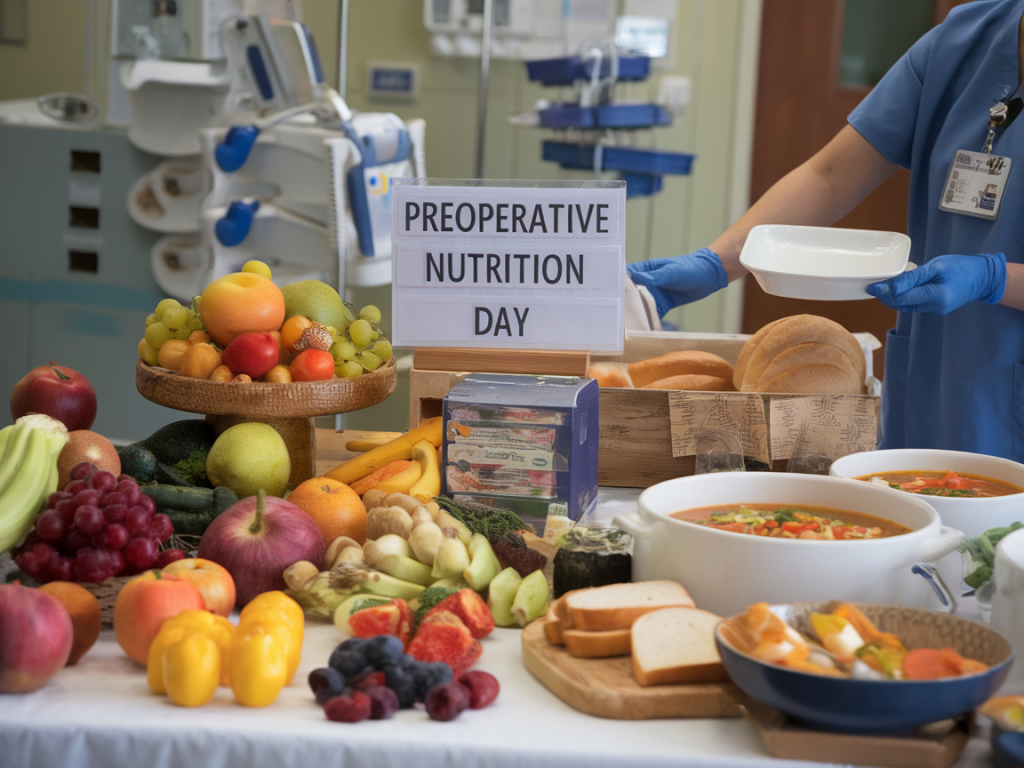
    Here are simple, hospital-friendly meals that follow the above rules. These are easy to prepare and tend to be stomach-friendly:

  • Breakfast (if >8 hours before surgery): poached egg, white toast (low fibre), small banana
  • Lunch: grilled chicken breast, plain white rice, steamed peeled carrots
  • Snack: plain Greek yoghurt (no granola) or blended fruit smoothie without seeds/fibre (only earlier in day)
  • Dinner (evening before): baked white fish, mashed potato, steamed zucchini
  • Practical tips and small hacks

  • If you feel anxious, a warm herbal tea the night before (non-sedating, caffeine-free) can help—avoid alcohol and extra caffeine.
  • If hospital offers a pre-op carbohydrate drink, accept it—there’s good evidence it can reduce postoperative insulin resistance and nausea.
  • Keep a small bottle of water near your bed the night before to sip; being well hydrated makes arrival at hospital less stressful.
  • If you have diabetes, chronic kidney disease, or other metabolic conditions, ask for a tailored pre-op plan. Generic advice can be harmful in those situations.
  • I’ve seen first-hand how small, consistent steps before surgery make a difference: patients who follow a clear pre-op nutrition plan often report less fatigue, quicker return of appetite and fewer early complications. Talk with your surgical team, adopt the principles above that work for you, and give your body the best possible start for recovery.


    You should also check the following news:

    How to tell if your antacid habit is causing nutrient deficiencies and what to do instead
    Nutrition

    How to tell if your antacid habit is causing nutrient deficiencies and what to do instead

    I’ve spent years helping people translate evidence into practical health steps, and one recurring...

    Jul 26 Read more...
    When a short walk really beats a gym session: 4 science-backed routines to boost mood and metabolism in 15 minutes
    Fitness

    When a short walk really beats a gym session: 4 science-backed routines to boost mood and metabolism in 15 minutes

    I love a good gym session as much as the next person, but over the years I’ve learned that you...

    Jul 24 Read more...