I get the 3pm slump. It’s that heavy, slow feeling when your keyboard becomes an obstacle and your brain insists you must now stare into the middle distance. Over the years I’ve experimented with timing caffeine, carbohydrates and naps so I can keep my energy steady through the afternoon—without the jittery come-down or trouble sleeping at night. Below I’ll walk you through the practical approach I use and recommend: what to eat, when to sip caffeine, how to nap strategically, and why the order and timing matter.
Why 3pm slumps happen (quick science)
First, a short explanation so the timing makes sense. Two main drivers create that mid-afternoon dip:
- Circadian rhythm: Our bodies naturally include a low-energy window in the early to mid-afternoon—this is normal and not just about lunch.
- Homeostatic sleep pressure: The longer we’re awake, the more sleepy we feel; by mid-afternoon that pressure can be noticeable, especially if your night sleep wasn’t ideal.
Additionally, what you eat at lunch can either smooth energy or trigger a rebound slump: large amounts of refined carbs can spike blood sugar and insulin, then drop it, leaving you tired.
Rules I follow to avoid afternoon jitters
- Time caffeine: Use it to bridge the slump window, not to mask chronic sleepiness. Aim to consume caffeine early enough that it doesn’t disrupt sleep—typically before 2–3pm for most people.
- Pair carbs with protein and fat: A meal with fibre, protein and healthy fats blunts blood sugar spikes and avoids the “sugar crash.”
- Nap smart, not long: Short naps (10–20 minutes) reset alertness without causing sleep inertia. A 90-minute nap can work too if you can complete a full sleep cycle.
- Use caffeine naps selectively: If I need a fast boost, combining a short nap with caffeine timed right is my go-to trick.
How I time caffeine
Caffeine’s peak effect occurs roughly 30–60 minutes after drinking, and its half-life is about 3–6 hours for most people. That means if you’re sensitive, an afternoon espresso at 3pm can still affect sleep later. My practical plan:
- Morning: Have your preferred caffeine (e.g. a cup of coffee, 80–120 mg) after waking—avoid immediate caffeine if you want to amplify natural cortisol rhythms, but that’s a personal choice.
- Early afternoon booster: If I need a second hit, I aim for around 12:30–1:30pm, not later than 2–3pm. I keep the dose modest: 50–100 mg (a small Americano, a single espresso, or half a regular coffee).
- Choose the form wisely: Avoid sugary energy drinks which spike blood sugar and often come with very high doses of caffeine—use brewed coffee or matcha instead for steadier effects.
If you’re very sensitive, move that second caffeine to earlier or skip it and rely on a nap + nutritious snack instead.
What to eat at lunch (and when)
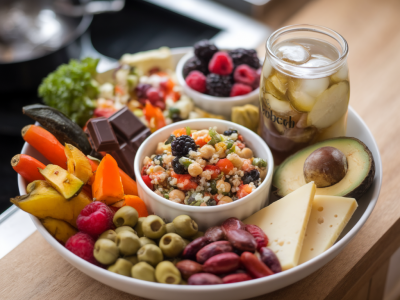
Your lunch sets the stage for the afternoon. I focus on balanced meals that include low-GI carbs, lean protein, fibre and healthy fats.
- Examples: grilled chicken or tofu with quinoa and roasted veggies; a big salad with chickpeas, avocado and a wholegrain roll; or a lentil stew with a side of sautéed greens.
- Portion timing: aim to finish lunch by noon–1pm if your slump hits at 3pm. This spacing avoids overlapping peak insulin response with your circadian dip.
- Snack strategy: if you get hungry before 3pm, pick a snack that combines protein and fibre—Greek yoghurt with berries, an apple with nut butter, or a small handful of nuts and dried fruit.
Nap strategies that actually help
Not all naps are equal. Here are the styles I use depending on how much time I have:
- Power nap (10–20 minutes): The safest for alertness. You wake refreshed with minimal grogginess. Perfect if you need to be back at work quickly.
- Caffeine nap: Drink ~75–150 mg of caffeine (a small coffee or 1–2 shots of espresso) quickly, then lie down for a 20-minute nap. The caffeine kicks in around the time you wake and gives a double benefit: nap restoration + caffeine alertness.
- Full cycle nap (~90 minutes): If you can spare the time, 90 minutes allows a full sleep cycle and reduces sleep inertia. This works well on weekends or when you’re at home.
Timing tip: aim to nap between 1pm and 3pm. Later naps are more likely to disrupt night sleep.
Practical daily schedule I use
| 07:00 | Wake, hydrate, breakfast with protein + wholegrain (example: oats + yogurt + seeds) |
| 09:00–10:00 | Optional first coffee (80–120 mg) |
| 12:30–13:00 | Balanced lunch: lean protein + low-GI carbs + veg |
| 14:00 | Small coffee or matcha if needed (50–100 mg) or save for a caffeine nap |
| 14:30–15:00 | 10–20 minute power nap or walk outside + light snack |
| 15:30–16:00 | Back to productive work with steady energy |
What I avoid
- Large sugary lunches or “carb-only” meals that spike blood glucose.
- Caffeine after ~3pm unless I know I can still sleep; late caffeine can reduce sleep quality even if you fall asleep on time.
- Long, aimless naps after 4pm. They make bedtime harder and increase sleep inertia.
Products and tools I use
For caffeine I often prefer brewed options: a Nespresso lungo or a single espresso if I want a smaller dose. For steady caffeine I like matcha (about 30–60 mg of caffeine plus L-theanine for smoother alertness). A simple sleep mask and a quiet alarm—set to 20 minutes—are my nap essentials. If you want to track timing more precisely, a basic sleep tracker or phone timer does the job.
Quick troubleshooting
- If naps leave you groggy: shorten them to 10–15 minutes or try a 90-minute nap so you wake at the end of a cycle.
- If caffeine ruins night sleep: reduce afternoon dose, move it earlier, or switch to matcha/tea.
- Still sleepy despite good naps and balanced meals: look at night sleep quality—improving core sleep will reduce afternoon reliance on stimulants.
These approaches aren’t magic, but they stack: balanced lunch + well-timed small caffeine dose + a strategic short nap can turn a foggy 3pm into a productive window—without the jittery crash or late-night tossing. Try small changes one at a time and notice what combination keeps you steady and sleeping well.