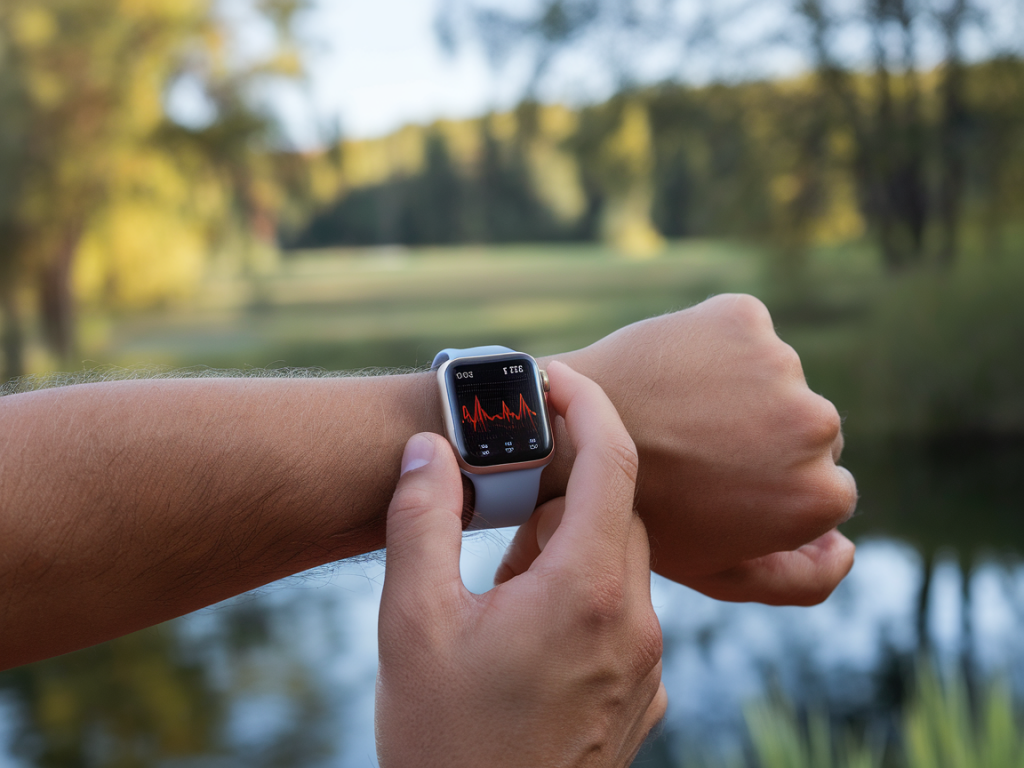
I wear a smartwatch most days—not out of fashion, but because it gives me small, objective windows into how my body reacts to stress. Over the years I’ve tested different devices and paired their data with what I actually *felt*: restless nights, jittery afternoons, and those surprising evenings when everything felt heavy. What I’ve learned is both promising and limited: certain smartwatch metrics can reliably flag stress spikes if you know how to read them, but they’re not a substitute for context, reflection, or professional care.
Which metrics matter (and why)
Here are the smartwatch measurements that tend to predict stress spikes best, and what each one actually reflects:
Not every device offers every metric. Apple Watch is excellent for HR and sleep basics; Oura and WHOOP are strong on HRV and recovery trends; Garmin and Fitbit give useful activity and sleep insights at different price points.
How these metrics predict stress spikes — practical examples
I want to make this concrete, so here are patterns I’ve seen that reliably preceded stress surges:
When both move in the wrong direction at once, it’s often an early signal of accumulating stress—workload, poor sleep, or life events. I treat this as my first alert to dial back non-essential commitments.
A bad night or two won’t wreck you. But recurring shallow sleep often correlates with irritability, impaired decision-making, and an increased perception of stress.
If I have a high-strain workout or a stressful day and my recovery metric is low, I know I’m closer to a burnout threshold. That combination predicts poorer performance and slower mental recovery the following day.
These can be useful for spotting acute sympathetic arousal—like a tense meeting or an anxiety episode—especially when HRV doesn’t change immediately.
How to use smartwatch data to prevent burnout
Data only helps if it changes what you do. Here are practical steps I use and recommend:
Spend 2–4 weeks getting used to your device. Note your average resting HR, typical HRV range, sleep norms, and how you feel on different days. Baseline is personal—don’t chase someone else’s numbers.
A one-off bad night or lifted HR after coffee is noise. Trends across 3–7 days matter. Set calendar reminders to review weekly summaries rather than checking every hour.
Examples I use:
When I see an acute spike—rapid HR or low HRV mid-day—I do a 5–10 minute breathing session (a guided app, box breathing, or the Apple Watch Breathe app). It regularly improves HRV and subjective calm within minutes.
When recovery scores dip, prioritize an earlier bedtime, a caffeine-free afternoon, or a short 20–30 minute nap. These small shifts often restore coping capacity faster than pushing through with caffeine.
If metrics point to sustained strain, I treat that data like a health report: I share constraints with colleagues or family and make specific changes (push deadlines, delegate tasks, block focused recovery time).
Enable overnight HR and HRV tracking if available, but turn off constant notifications that raise stress. Choose long-term trend alerts rather than reactive alarms that can heighten anxiety.
What these metrics don’t tell you
Smartwatches are proxies, not diagnoses. They don’t and can’t tell you the psychological causes of stress, the exact contribution of caffeine, or whether low HRV is due to a virus versus work stress. They also vary in accuracy—consumer HR readings are generally good, HRV at rest is usable, but sleep stage estimates and GSR can be noisy.
If your data consistently shows troubling patterns (persistently low HRV, high resting HR, poor sleep) and you feel impaired—fatigue that doesn’t lift, mood changes, difficulty functioning—seek a healthcare professional. Wearable data can support a health conversation, but it should not replace medical assessment.
Quick reference: metric, what it signals, what to do
| Metric | What it often signals | Immediate action |
|---|---|---|
| Resting HR ↑ | Accumulated stress, illness, poor sleep | Cut back intensity, prioritize sleep, hydrate |
| HRV ↓ | Poor recovery, sympathetic dominance | Breathing exercises, light activity, early sleep |
| Recovery score low | Low resilience for strain | Reschedule hard workouts, add restorative activities |
| Sleep ↓ or fragmented | Impaired cognitive coping and mood | Review sleep hygiene, limit screens, consider melatonin short-term |
| GSR/temp spikes | Acute arousal, possible anxiety | Pause, deep breathing, step outside |
Using a smartwatch to predict and prevent stress spikes has changed how I manage my energy. It’s not magic, but when you combine objective trends with honest self-reflection and simple rules, those small digital nudges become powerful tools to avoid the slow slide into burnout.