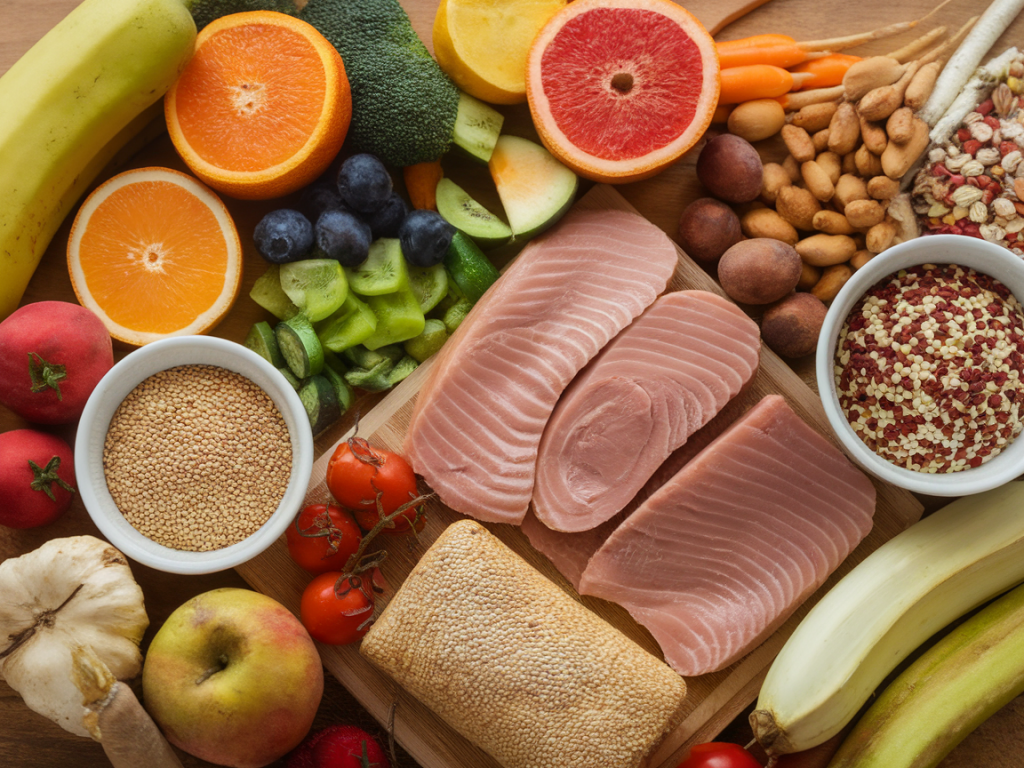
I’ve learned over years of working with clients and reading research that reducing inflammation through food can feel overwhelming when you’re juggling both irritable bowel syndrome (IBS) and seasonal allergies. You worry about triggering bloating or pain while also wanting to ease systemic inflammation that may worsen nasal congestion, itchy eyes or general fatigue. I’ve put together a pragmatic, week-long low-inflammation meal plan that balances symptom management for IBS (including low-FODMAP options) and choices that tend to support allergy resilience. Below you’ll find what I eat, why I choose certain ingredients, substitutions, shopping notes, and simple recipes you can adapt to your needs.
Principles that guided this plan
- Reduce common inflammatory triggers: minimize ultra-processed foods, added sugars, and excessive omega-6 vegetable oils (corn, soybean) while prioritizing whole foods.
- IBS-friendly choices: lean on low-FODMAP vegetables and controlled portions of fermentable carbs; choose soluble fiber sources that tend to be gentler (oats, carrots, zucchini).
- Allergy-supporting nutrients: include vitamin C, quercetin-rich foods, omega-3s, and probiotic-friendly options which may help immune balance.
- Simple, repeatable meals: aim for 3–4 components per meal so cooking remains realistic on busy days.
- Personalisation: swap trigger foods for tolerated alternatives — IBS symptoms are individual, so experiment in small steps.
What I shop for (basic grocery list)
- Proteins: boneless chicken thighs, salmon or sardines (wild if possible), eggs, firm tofu
- Grains & starches: rolled oats, quinoa, low-FODMAP bread (e.g., Schär or homemade sourdough portions), basmati rice
- Vegetables (low-FODMAP choices): carrots, spinach, kale (in small portions for IBS), zucchini, bell peppers, tomatoes
- Fruits (lower-FODMAP & anti-inflammatory): blueberries, oranges, kiwi, strawberries
- Fats & pantry: extra-virgin olive oil, cold-pressed flaxseed oil (use cold), walnuts, chia seeds
- Dairy/alternatives: lactose-free yogurt or kefir (for probiotics), unsweetened almond milk
- Herbs & extras: turmeric, ginger, garlic-infused oil (low-FODMAP friendly), fresh parsley, lemon
- Supplements (optional): high-quality fish oil, vitamin D in winter months, quercetin-containing products if you use supplements
How I structure each day
I aim for balanced meals with a lean protein, a low-FODMAP veg or two, a modest portion of low-fermentable carbs, and an anti-inflammatory fat. Snacks are gentle and fiber-focused but low-residue if I’m experiencing IBS flares.
Week-at-a-glance meal table
| Day | Breakfast | Lunch | Dinner | Snack |
|---|---|---|---|---|
| Mon | Oats with blueberries, chia, lactose-free yogurt | Grilled chicken salad: spinach, carrot ribbons, quinoa, lemon-olive oil | Baked salmon, roasted zucchini, basmati rice | Orange & small handful walnuts |
| Tue | Scrambled eggs, spinach, gluten-free toast | Rice noodle bowl with tofu, bell pepper, cucumber, ginger-lime dressing | Turkey meatballs (lean) with tomato-polenta (low-FODMAP tomato passata) | Kiwi & a few rice cakes with peanut butter |
| Wed | Smoothie: almond milk, frozen strawberries, spinach, ground flax | Leftover turkey meatballs over quinoa, steamed carrots | Pan-seared sardines, roasted bell pepper, small baked potato | Lactose-free kefir or probiotic yogurt |
| Thu | Overnight oats with cinnamon & banana (small) | Chicken & carrot soup (garlic-infused oil base), rice | Stir-fry: chicken, zucchini, bok choy, tamari (gluten-free soy) | Blueberries & a square dark chocolate (70%+) |
| Fri | Poached eggs, sautéed tomatoes, gluten-free toast | Sardine salad: mixed greens, cucumber, capers, lemon | Grilled tofu with roasted eggplant (small portions), basmati | Carrot sticks & hummus (small portion; use canned chickpeas tested for tolerance) |
| Sat | Oat pancakes (rolled oats blend), berries, maple drizzle | Quinoa tabbouleh-ish: parsley, tomato, cucumber, olive oil | Roast chicken thigh, roasted root veg (carrot/pars/limited onion flavor from infused oil) | Apple slices (small) with almond butter |
| Sun | Greek-style lactose-free yogurt bowl, kiwi, walnuts | Leftover roast chicken wrap using low-FODMAP flatbread, greens | Homemade fish chowder (use low-FODMAP stock, potatoes, carrots) | A cup of peppermint tea & a rice cracker |
Notes on IBS-friendly swaps and portions
- FODMAP awareness: some commonly recommended anti-inflammatory foods — like garlic, onion, and certain legumes — are high-FODMAP and can trigger IBS. I use garlic-infused oil for flavor without the FODMAPs, and canned lentils or chickpeas in small portions if tolerated.
- Portion control: sometimes symptoms are portion-related. If a food bothers you, try halving the portion rather than removing the item entirely.
- Fiber type: prioritize soluble fiber (oats, carrots, psyllium in small amounts) over large amounts of insoluble fiber during flares.
- Dairy: many with IBS tolerate lactose-free dairy or yogurt with live cultures — yogurt can also support gut microbiota and may help both IBS and allergic inflammation in some people.
Simple recipes and meal hacks I use
- Garlic-infused olive oil dressing: warm 2 tbsp olive oil with a crushed garlic clove on low for 5 minutes, remove the clove. Use on salads for garlic flavor without FODMAPs.
- One-pan baked salmon: place salmon fillets on a tray, scatter sliced zucchini and bell peppers, drizzle olive oil and lemon, bake 12-15 minutes at 200°C. Quick, low-fuss and anti-inflammatory.
- Comforting chicken & carrot soup: sweat carrot and celery in olive oil, add shredded chicken, low-FODMAP stock, rice, thyme, simmer. It’s gentle on the gut and hydrating for allergy season.
When to avoid or be cautious
- If you’re on antihistamines or other meds, check with your pharmacist before adding high-dose supplements (like quercetin or high-dose fish oil).
- Monitor fiber increases — add slowly to reduce gas and bloating.
- If fruits like apples or pears trigger symptoms, stick to lower-FODMAP fruit choices listed above.
If you try this week, keep a quick symptom log: note meals, portions and how your gut and allergy symptoms respond. That simple record helps you and any clinician or dietitian refine a plan that suits your unique responses. I welcome feedback — what worked, what didn’t — so I can keep making these guides more practical and realistic for people juggling both IBS and seasonal allergies.