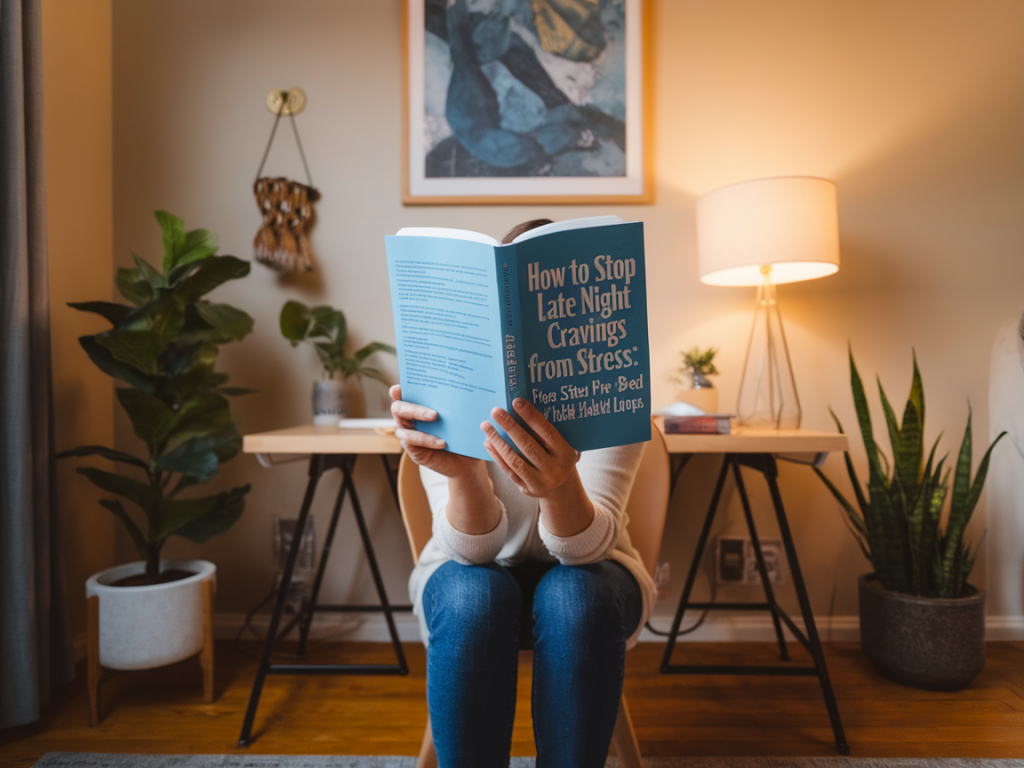
Late-night cravings used to be my predictable undoing. After a long day, my brain would switch into "reward-seeking" mode: open fridge, pick something comforting, feel a short lift — then regret and disrupted sleep. Over time I learned that these cravings weren’t just about willpower. They were habit loops triggered by stress and evening cues. I built a simple five-step pre-bed routine that helped me intercept the loop, reduce snacking, and actually sleep better. Below I’ll share what I do, why it works, and how you can adapt it to your life.
Why late-night cravings are often stress signals
When we feel stressed, our bodies produce cortisol and our brain seeks fast rewards — often sweet, salty or fatty foods that provide quick dopamine hits. Combine that with environmental cues (TV on, phone in hand, dim lights) and there’s a recipe for a repeated habit loop: trigger → craving → action → reward. The trick is to change the trigger and the action before the reward cements the behavior.
For me, the evening loop started with low-level anxiety and overstimulation: some unfinished tasks, bright screens, and a habit of snacking while watching shows. The routine I developed breaks the loop by shifting the context of my evening, down-regulating stress, and offering low-effort but satisfying alternatives to food.
The five-step pre-bed routine I use
Think of these steps as a short rehearsal for sleep: they rewire the cue that used to lead to the snack and replace the action with something that reduces stress and primes restorative sleep. I do this routine about 60–90 minutes before bedtime.
I close my laptop, write three quick bullet points: what I finished today, what I’ll start tomorrow, and one small win. This externalizes rumination and gives my brain permission to stop problem-solving. You can use a cheap notebook or a minimalist app like Google Keep — the tool doesn’t matter; the act does.
Blue light and high stimulation keep cortisol and alertness higher. I switch to warm lighting (lamps or Philips Hue warm scenes) and put my phone in Do Not Disturb mode. If you need your phone for an alarm, put it across the room or in another room. This reduces the visual cues that used to signal “evening reward time.”
Rather than snacking, I make a calming drink. My go-tos are a warm cup of herbal tea (chamomile or lemon balm) or hot milk with a dash of cinnamon. If you prefer cold, try a small glass of kefir or a protein-rich cottage-cheese snack — the goal is something satisfying but not heavy. A protein + small carb snack can reduce hunger later and stabilise blood sugar.
I use a brief routine that mixes breathwork and gentle movement: 5 minutes of box breathing (4-4-4-4), then 10 minutes of slow stretching or yin-style poses focusing on hips and chest. This sequence lowers heart rate and shifts the nervous system toward parasympathetic dominance. Apps like Calm, Insight Timer, or simple YouTube bedtime yoga videos work well if you prefer guided sessions.
If I still feel the urge to snack, I make it harder to get food. I leave the kitchen light off, put a bowl of fruit on the counter rather than processed snacks, and close the fridge for a set "no-eat-after" time. For some people a physical step (putting on slippers before leaving the couch) adds enough friction to break the impulse. The idea is to interrupt the automatic walk to the fridge.
How this routine rewires habit loops — the science bit
The routine works by changing both the cue and the reward. Dimming lights and turning off screens removes environmental triggers that previously signaled relaxation + snack time. The pre-bed drink and brief relaxation provide an alternative reward: a small, calming physiological shift rather than a sugar spike. Repeating this alternative over several weeks strengthens the new association so, over time, the cue (evening wind-down) predicts sleep and calm instead of food.
Neuroscience shows that habits are learned via repeated associations. If you consistently replace the action after the trigger with a different, desirable action (and one that produces a reward — reduced anxiety or better sleep), the brain updates the loop. Patience matters: expect gradual change rather than immediate perfection.
Sample 60-minute timeline you can copy
| Time before bed | Action | Why it helps |
| 60–50 minutes | End-of-day note: three bullets | Releases mental load |
| 50–40 minutes | Dim lights, turn off screens | Reduces alertness, removes cues |
| 40–35 minutes | Make calming drink | Provides alternative reward |
| 35–20 minutes | Breathwork and gentle stretches | Down-regulates stress response |
| 20–0 minutes | Friction strategy; go to bed | Interrupts kitchen trips |
Troubleshooting common problems
If you still wake up hungry or the urge persists, check these points:
How long before you see change?
For me, noticeable reduction in late-night snacking appeared after about two weeks of consistent practice. Habit change timelines vary — some people notice shifts in days, others need 6–8 weeks. The important metric isn’t perfection but fewer episodes and better sleep quality.
If you want to test this, try committing to the five-step routine for 14 nights and track two measures: nights without snacking and subjective sleep quality (rate 1–5). Small wins build momentum: celebrate the nights you don’t snack, and use slip-ups as data rather than failure.
If you want specific tweaks based on whether you’re a salted-snacker, sweet-tooth, or emotional eater, tell me which one you are and I’ll suggest targeted swaps and micro-habits to make this routine stick.