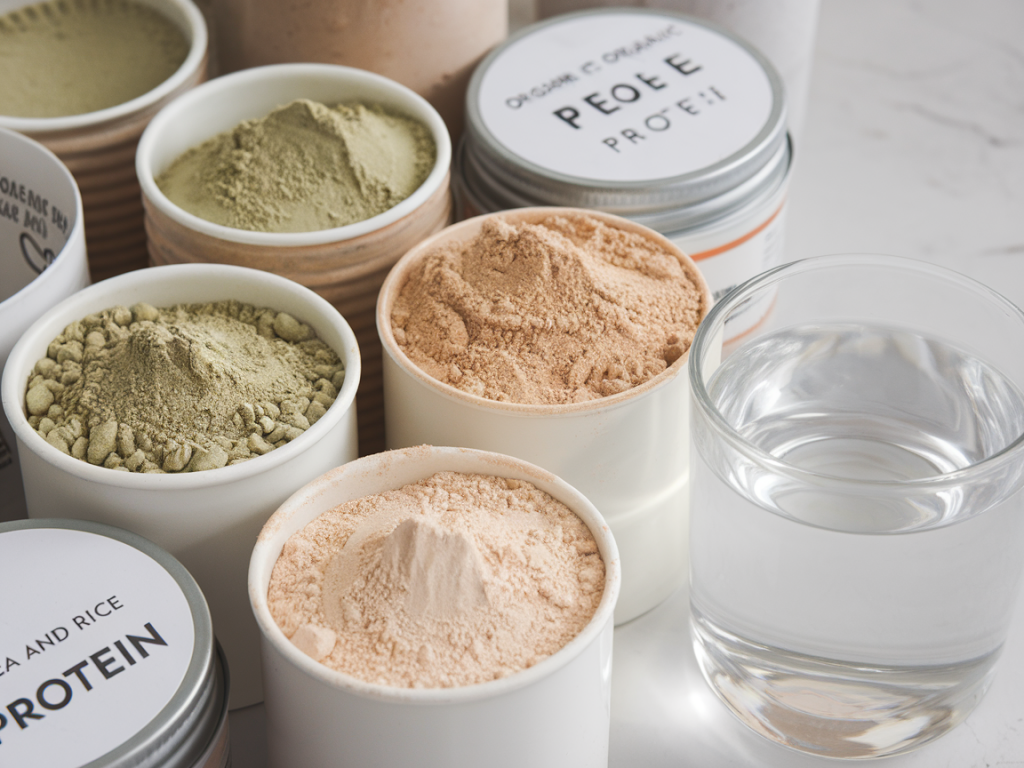
I’ve spent years helping people translate research into practical choices, and one question I hear often is: which plant-based protein powders are easiest on digestion? If you’ve switched from whey or are simply exploring plant proteins, digestive comfort can make or break whether a powder becomes a sustainable part of your routine. Below I walk through what I look for, how pea, rice and blended formulas differ, and practical tips to test and use them without upset.
Why digestive comfort matters (and what causes discomfort)
Digestive reactions to protein powders aren’t always about poor quality. There are a few common causes:
- Fiber and texture: some plant powders contain added fibers or thicker stabilisers that slow gastric emptying and can cause bloating.
- Oligosaccharides and FODMAPs: certain plant sources can contain fermentable carbs that feed gut bacteria and create gas.
- Anti-nutrients: phytates and lectins are present to varying degrees in legumes and grains and may irritate some people.
- Protein concentration: highly concentrated isolates may be easier to digest for some, while concentrates retain more non-protein components.
- Added ingredients: artificial sweeteners, sugar alcohols (like xylitol, sorbitol), gums (xanthan, guar) and artificial flavours can trigger symptoms.
Pea protein — who tolerates it well and why
I recommend pea protein a lot because it’s high in protein (especially lysine) and typically hypoallergenic — no dairy, soy or gluten. Many people who react to whey find they tolerate pea better. Pea protein isolates have most of the starch and fiber removed, leaving a concentrated protein that's often gentle on digestion.
That said, pea is still a legume. Some people experience gas or bloating, especially when they consume large doses quickly. Choosing a high-quality isolate can reduce these effects. Brands I’ve found reliable include Pulse-based isolates such as Naked Pea and MyProtein Pea Isolate — they keep ingredient lists short (pea protein, maybe natural flavour) and avoid sugar alcohols.
Rice protein — light and easy for some, incomplete for others
Brown rice protein is another popular option. It’s often very light in texture and tends to be low in fibre and low in common triggers, making it a good choice for those with sensitive guts. However, rice protein is lower in lysine and thus less complete as a standalone protein — which matters if you’re relying on it for all your daily protein.
If you’re using rice protein, I suggest pairing it with lysine-rich foods across the day (eg, legumes, soy, or a pea+rice blend). Brands like Sunwarrior Classic Rice and NOW Sports Brown Rice Protein keep things simple and are often easier to digest than more heavily processed blends.
Blended formulas — why they can be the most tolerable
Blends that combine pea and rice (sometimes with hemp, chia or pumpkin seed) are common because they produce a more complete amino acid profile. But blends can also be easier on digestion: a pea+rice ratio balances amino acids while reducing the need for a high dose of any single source that might cause individual upset.
Additionally, some blends include digestive enzymes (protease, bromelain) or probiotics that actively help digestion. I’ve personally seen clients who couldn’t tolerate isolated pea at high doses do fine with a blended powder that includes enzymes or smaller servings of multiple proteins.
How to choose the least irritating formula
Here are the practical criteria I use when recommending a powder:
- Short ingredient list: if it’s mostly protein source + natural flavour, that’s a good sign.
- Avoid sugar alcohols and excessive gums: these are common causes of gas and loose stools.
- Look for isolates if you’re sensitive: isolates remove more non-protein components that can irritate.
- Consider added enzymes or probiotics: these can make a meaningful difference for some people.
- Check for third-party testing: especially if you have concerns about contaminants or heavy metals.
Quick comparison table: pea vs rice vs blends
| Feature | Pea protein | Rice protein | Blended formulas |
|---|---|---|---|
| Digestive load | Moderate; isolates easier | Often low (light texture) | Often lowest (balanced) |
| Amino acid profile | Good (low in methionine) | Low in lysine | Most complete |
| Common triggers | Legume-related oligosaccharides | Minimal | Depends on added ingredients |
| Good for | Hypoallergenic option, replacing whey | Sensitive stomachs | Balanced nutrition + better tolerance |
How to trial a new powder safely
I recommend a structured approach. When I test a new powder myself or with clients:
- Start small: 10–15 g in water or a small smoothie, morning after a light meal.
- Wait 24–48 hours: assess bloating, gas, stool form and overall comfort.
- Increase gradually: move to 20–25 g if all is well; avoid large bolus doses in one sitting.
- Change only one variable at a time: don’t switch powder and diet simultaneously.
- Keep a simple symptom log: time, dose, recipe and reaction.
Practical mixing and usage tips to reduce upset
Small changes can reduce digestive stress:
- Mix in a blender with water and a small banana or yoghurt alternative — blending helps pre-hydrate the powder.
- Pair with a low-FODMAP carb or fat (oats, rice milk, nut butter) to slow digestion and reduce fermentation symptoms for some people.
- Avoid consuming large quantities on an empty stomach if you’re prone to dryness or cramping.
- Consider taking a digestive enzyme supplement when you try a new powder — protease or a broad-spectrum blend can help.
Brands and products I often recommend
From my experience and the feedback I collect from readers and clients, these options balance quality and tolerance:
- Naked Pea: single-ingredient pea isolate — minimal additives, predictable tolerance for many.
- Sunwarrior Classic Rice: simple rice protein, good texture and easy on sensitive stomachs.
- Vega Sport or Orgain Plant-Based Protein (blends): blend pea, rice and sometimes hemp — widely available and often include digestive enzymes.
- Garden of Life Raw Organic Protein: a larger blend with probiotics — good if you want additional gut support.
If you tell me a bit about your usual symptoms (bloating, gas, diarrhoea, constipation) and what you’re replacing (whey, soy, nothing), I can suggest a targeted option and a testing plan that matches your needs.