I’ve learned over the years that small decisions in the 24 hours before a blood test can make a surprisingly big difference to the results. As someone who reads and writes about practical, evidence-based health tips, I want to help you avoid unnecessary repeat tests or confusing results. Below I’ll share the simple swaps and meal ideas I recommend the day before a blood draw—especially if your clinician is checking lipids (cholesterol/triglycerides), glucose (blood sugar/HbA1c), or common inflammation markers (like CRP).
Follow your clinician’s instructions first
Before anything else: if your doctor or lab gave you instructions—fasting for X hours, avoid alcohol, stop certain medications—follow those. My suggestions are meant to complement standard guidance, not replace medical directions. If you’re unsure whether your test requires fasting or other preparation, call your clinic. A quick confirmation saves headaches and repeat visits.
Why what you eat the day before matters
Some markers change quickly after a meal: triglycerides and glucose can spike for several hours, and a single high-fat or high-sugar meal can raise triglycerides and temporarily affect inflammatory markers. HbA1c reflects longer-term glucose control, so it’s less affected by one day’s eating, but extreme carbohydrate loads or big glycemic excursions can still influence interpretation.
So the goal for the day before is simple: choose meals that keep blood sugar and triglycerides steady, avoid alcohol and extreme inflammatory foods, and don’t overeat late at night.
What to avoid the day before
- Alcohol: Even moderate drinking can raise triglycerides and some inflammation markers for 24–48 hours.
- Very high-fat meals: Think deep-fried takeaway, heavy cream sauces, or a massive steak and fries—these can spike triglycerides.
- Large sugary treats: Sugary desserts, soda, or big refined-carb meals can elevate blood glucose and insulin responses.
- Unusually large portions or late-night heavy meals: Eating a huge meal late can keep your metabolism and blood markers elevated during the night.
- Crash dieting or extreme fasting: Skipping too many calories the day before, or extreme low-carb swings, can also distort some markers. Aim for normal, balanced intake.
Smart swaps that keep results honest
Here are the practical swaps I use myself and recommend to friends. They’re easy to do using common pantry items or fast options from supermarkets.
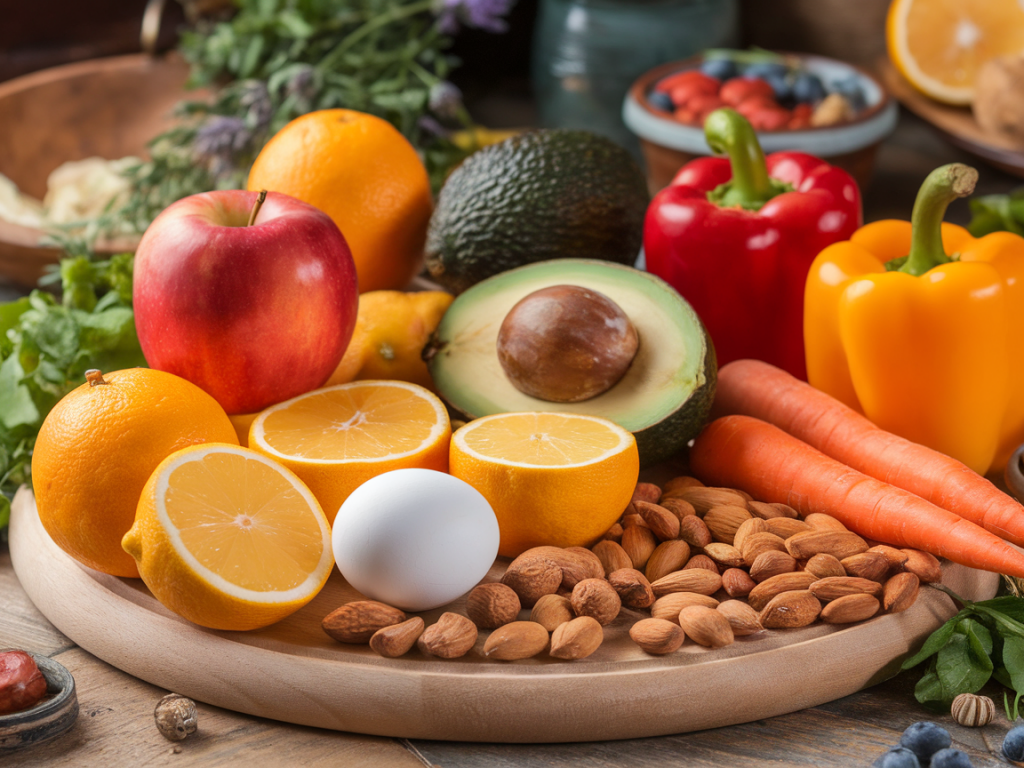
- Swap sugary breakfast cereals for oats or whole-grain toast with protein. Instant oatmeal or steel-cut oats are slow-release carbs; pair with a spoonful of nut butter or a boiled egg to slow glucose rise.
- Swap processed snacks for whole-food options. Instead of chips or cookies, choose plain Greek yogurt with berries, a handful of almonds, or carrot sticks with hummus.
- Swap heavy cream sauces for olive oil–based dressings. If you’re having a salad or cooked veg, use extra-virgin olive oil and lemon instead of butter cream sauces.
- Swap sugary drinks for water or sparkling water. Flavored sparkling water or a squeeze of lemon is better than soda or juices.
- Swap red meat-heavy dinners for fish, poultry, or plant-based proteins. Grilled salmon, baked chicken breast, or a lentil stew keeps saturated fat moderate and gives you anti-inflammatory omega-3s (especially from fatty fish).
What a practical day-before meal plan looks like
Below is a simple, realistic plan that keeps blood sugar and triglycerides steady and avoids coloring inflammation markers. Adjust portions to your usual intake.
| Breakfast | Oats (40–50g) cooked with water or milk, topped with a handful of berries and 1 tbsp almond butter; or 2 slices whole-grain toast + 1 boiled egg + avocado slice. |
| Mid-morning snack | Plain Greek yogurt (100–150g) with a small handful of walnuts or a piece of fruit (apple/pear). |
| Lunch | Grilled chicken salad with mixed greens, cherry tomatoes, cucumber, quinoa (small portion) and olive oil & vinegar dressing; or chickpea & vegetable bowl with brown rice. |
| Afternoon snack | Vegetable sticks + hummus, or a piece of fruit with a small handful of nuts. |
| Dinner | Oven-baked salmon or tofu, roasted vegetables (broccoli, carrots, peppers) and a modest portion of sweet potato or whole grain. |
| Evening | Herbal tea or water; avoid alcohol and heavy desserts. If you need something, a small square of dark chocolate (70%+) is okay. |
Foods that may actually help
If you want to be proactive, include these:
- Fatty fish (salmon, mackerel, sardines): Contains omega-3s that are anti-inflammatory—helpful if inflammation markers are part of your panel.
- High-fiber foods: Oats, legumes, whole grains and vegetables reduce post-meal glucose spikes and can blunt triglyceride increases.
- Nuts: Almonds, walnuts—small amounts provide healthy fats and modestly lower postprandial lipids.
- Olive oil: Use in place of butter or cream—monounsaturated fats are less likely to acutely raise triglycerides than saturated fats.
- Berries and non-starchy vegetables: Low in sugar but high in antioxidants and fiber.
Medications, supplements and other considerations
Some supplements and meds can affect lab results. For example, biotin supplements can interfere with some immunoassays. If you take high-dose biotin, tell the lab. Statins, fibrates, and some supplements can affect lipids—don’t stop prescribed meds without discussing with your doctor.
If your test includes inflammatory markers and you did heavy exercise the day before (particularly intense resistance or endurance training), that can raise CRP. I usually advise avoiding intense workouts 24 hours before a test if possible; light walks are fine.
Examples of convenient swaps and brands
- Instant porridge: choose plain oats (e.g., Quaker Oats Original) and add fresh berries rather than flavored packets with added sugar.
- Yogurt: pick plain Greek yogurt (e.g., Fage, Skyr-type brands) and sweeten with fruit instead of flavoured varieties.
- Snack bars: if you need a bar, choose ones with whole-food ingredients and lower added sugar (e.g., Nakd, RXBAR) rather than candy-bar style protein bars loaded with sugar.
Practical checklist for the evening before your blood test
- Avoid alcohol entirely.
- Keep meals balanced: protein + fiber + healthy fat.
- Avoid heavy, fried, or very fatty meals late at night.
- Don’t start or stop prescription meds without advice.
- Get a normal night’s sleep and avoid intense exercise within 24 hours if inflammation markers are being measured.
Being mindful the day before a blood test doesn’t require strict diets—just a few sensible swaps and attention to timing. If you want, tell me which tests you’re having (lipids, fasting glucose, CRP, liver panel, etc.) and I can tailor suggestions even more specifically to your situation.