Sleep & Recovery

how to tell if your magnesium supplement is actually helping sleep: what to test, when to expect changes and the best form to buy

how to tell if your magnesium supplement is actually helping sleep: what to test, when to expect changes and the best form to buy

I started taking magnesium to help with sleep because I, like many people, wanted a simple, low-risk way to fall asleep faster and wake less during the night. Over time I learned that whether a magnesium supplement "works" is rarely a yes/no answer — it depends on the form you take, the dose, your baseline magnesium status, and how you measure sleep. Below I walk through how I test whether magnesium is helping, what changes to expect and when, and which forms I typically recommend (and why).

How I judge whether a supplement is helping my sleep

When I try any sleep supplement I use a mix of objective and subjective methods. Relying on just one type of data misses important context.

  • Subjective sleep diary — I track time to fall asleep (sleep latency), number and length of awakenings, how rested I feel on waking (0–10), and any unusual sensations or dreams.
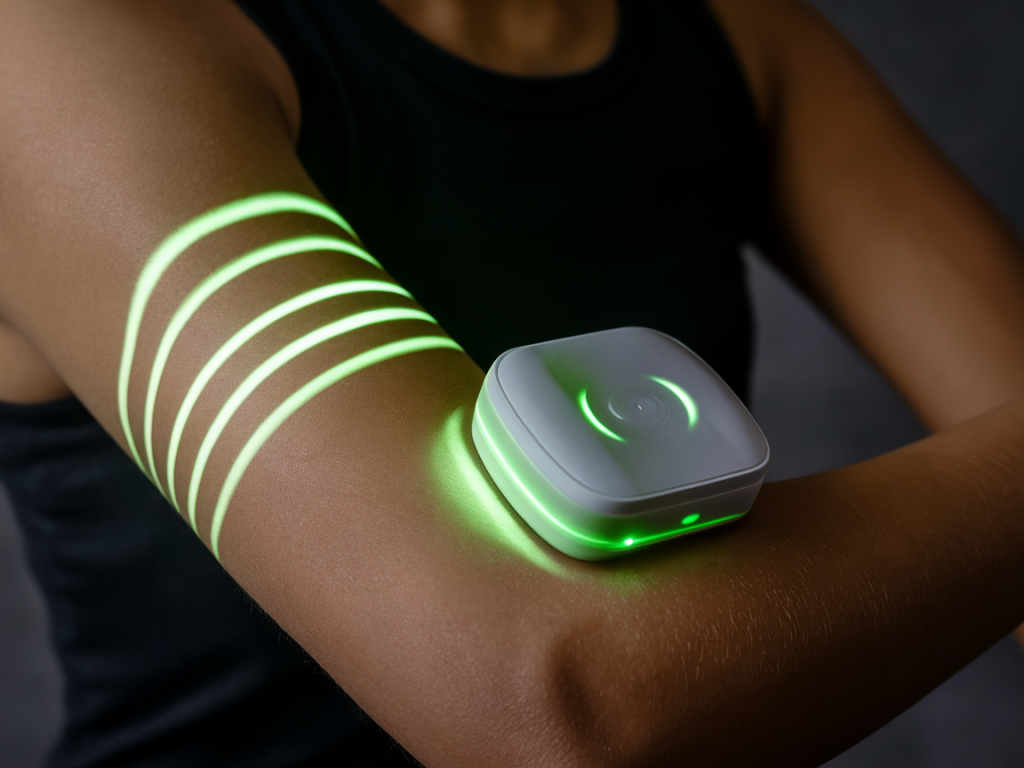
  • Objective sleep data — I use a wearable (ring or watch) or a phone-based sleep app to track sleep latency, total sleep time, wake after sleep onset (WASO) and sleep efficiency. These aren’t perfect, but they’re useful for trends.
  • Daytime function — I note daytime energy, cognitive focus, and mood. Sometimes a supplement changes how I feel the next day even if the night numbers barely budge.
  • Side effects log — magnesium can be constipating for some forms or cause loose stools for others. I record bowel changes, nausea, headaches or any interactions with medications.
  • Using these measures together lets me tell whether improvements are real or just placebo. For example: a consistent drop in sleep latency from 40 minutes to 20 minutes across my wearable and diary plus feeling noticeably more refreshed is a meaningful win. If only my sleep app says I'm sleeping better but I feel groggy and awake at night, I wouldn’t call that success.

    What to test — objective and clinical checks

    Here are the specific metrics and clinical tests I consider:

  • Sleep latency — how long it takes you to fall asleep. This is often the first metric to improve if magnesium helps because it can reduce nervous-system arousal.
  • WASO (wake after sleep onset) — fewer or shorter awakenings may appear after a couple of weeks.
  • Total sleep time and sleep efficiency — look for small but consistent increases in total sleep time (10–30 minutes) and efficiency.
  • Daytime alertness and mood — subjective but crucial. Improvements here often confirm the night data.
  • Bathroom effects — track stool frequency/consistency so you can choose a different form if needed.
  • Basic labs (if concerned) — serum magnesium is commonly measured but is a poor marker of total body stores. If there’s a clinical concern I discuss with my GP the options: erythrocyte (RBC) magnesium and urinary magnesium excretion or a magnesium-loading test are more informative in specialist settings.
  • Important: if you have kidney disease or take medications that affect magnesium handling (some diuretics, certain antibiotics), check with your clinician before supplementing. Magnesium is generally safe in healthy adults but can accumulate if renal clearance is impaired.

    When to expect changes — realistic timelines

    Magnesium isn’t an immediate sedative like some over-the-counter sleep meds. In my experience and in the evidence I follow, expect the following timeline:

  • First few nights — some people notice slightly faster sleep onset within a night or two. Others feel nothing.
  • 1–2 weeks — I look for consistent reductions in sleep latency and fewer micro-awakenings. Subtle changes in sleep continuity usually appear in this window.
  • 3–6 weeks — if magnesium is going to help, benefits are often clearer here: improvements in sleep efficiency, deeper sleep on trackers, and better morning refreshment.
  • After 6–8 weeks — if there’s no meaningful improvement in objective and subjective measures, I usually stop or change approach. Continual, long-term use makes sense only if you’re seeing benefits or have a documented deficiency.
  • Patience is important — give a form and dose at least 3–6 weeks unless you have side effects. Also remember that other habits (caffeine timing, evening light exposure, stress) dramatically influence sleep, so control for those when testing a supplement.

    Best magnesium forms to buy — pros and cons

    Not all magnesium supplements are created equal. Which one I choose depends on my goal (sleep vs constipation vs cognitive support) and tolerance. Below is a quick comparison I use when picking products. Check the label for the amount of elemental magnesium — that’s the actual magnesium you’re getting, not the weight of the compound.

    Form Why I’d pick it Drawbacks
    Magnesium glycinate (bisglycinate) Gentle on the gut, well-tolerated, commonly recommended for sleep/anxiety because it pairs magnesium with glycine (an inhibitory amino acid). Less likely to cause laxative effect; slightly lower elemental magnesium per pill so doses may be higher.
    Magnesium citrate Good absorption, affordable, and commonly used. Useful if you also need mild laxative effect. Can cause loose stools even at moderate doses in sensitive people.
    Magnesium oxide High elemental magnesium by weight; cheap. Poor absorption; more likely to cause GI issues. I avoid it for sleep-specific use.
    Magnesium taurate Taurine pairing may support cardiovascular and calming pathways; good for people sensitive to glycine. Less common and a bit pricier.
    Magnesium L-threonate Promoted for cognitive benefits and brain penetration; might help sleep via cognitive quieting. Usually expensive and lower elemental magnesium per dose.
    Topical magnesium (oils, sprays, baths with Epsom salts) Useful if oral magnesium upsets the gut; many people report relaxation with a warm magnesium bath. Evidence on transdermal absorption is limited; effects could be psychological and from the warm bath itself.

    How much to take and when

    I look at two things: total elemental magnesium and timing. For sleep I often start low and titrate up.

  • Start with a modest oral dose (e.g., 100–200 mg elemental magnesium) about 30–60 minutes before bedtime, preferably with a small snack if it upsets your stomach.
  • If tolerated, increase in 100 mg increments every 3–7 days to a typical supplemental range (many adults use 200–400 mg elemental magnesium nightly). Don’t exceed medical guidance for supplements — your healthcare provider can advise on an appropriate limit for you.
  • If the supplement causes diarrhea, switch to a gentler form like glycinate or reduce dose; if you’re constipated, magnesium citrate or oxide might help but are not ideal solely for sleep.
  • Practical tips for testing effectiveness

  • Run a 2-week baseline (no magnesium) tracking the metrics above, then add magnesium and continue tracking for at least 4–6 weeks.
  • Make only one change at a time. If you start magnesium while also changing caffeine, alcohol, or exercise timing, it’s harder to know what moved the needle.
  • Use the same wearable or tracking method throughout the test to avoid device variability.
  • Consider brands known for third-party testing (Labdoor, NSF, USP) if purity and accurate labeling matter to you. Brands I’ve tried and found reliable include Thorne, Doctor’s Best, and Klean Athlete for athletic formulations; there are many other solid options—check for elemental magnesium on the label.
  • Testing supplements is part science, part habit-tinkering. If magnesium improves your sleep, you’ll usually notice a consistent pattern across subjective reports and tracker metrics within a few weeks. If not, you’ll have data to move on and try a different approach or form. And if you have any medical conditions or take medications, loop in your clinician before starting — safety first.

    You should also check the following news:

    Can wearing blue-light blocking glasses after 9pm actually improve melatonin and sleep quality?
    Sleep & Recovery

    Can wearing blue-light blocking glasses after 9pm actually improve melatonin and sleep quality?

    I started wearing blue-light blocking glasses some evenings after months of restless sleep and...

    Jan 20 Read more...