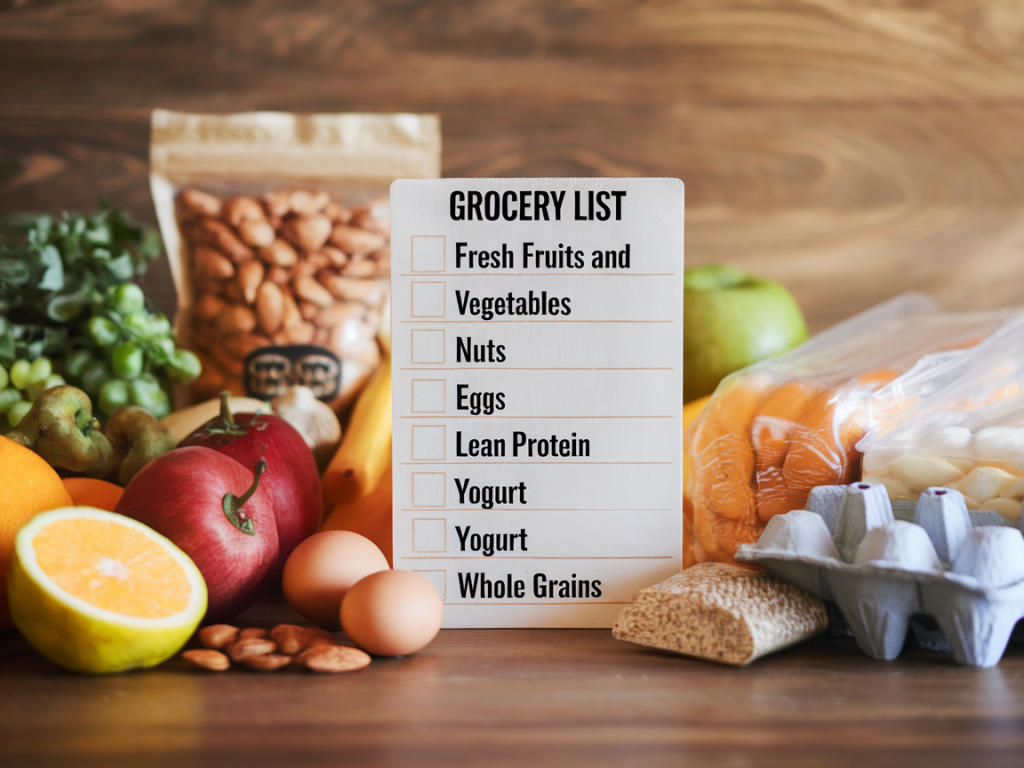
I’ve spent years helping people make small, evidence-based changes that add up to real improvements in energy and health. One of the most effective shifts I recommend is cutting excess sugar while keeping meals satisfying — and doing it without buying fancy “health store” products. Below I’ll walk you through how I plan a 7-day grocery list that reduces sugar, boosts steady energy, stays budget-friendly, and relies on familiar supermarket items.
My guiding principles
When I plan a week’s shopping with sugar reduction in mind, I follow a few simple rules:
What I put on a 7-day grocery list
This is the exact shopping framework I use. It’s designed to cover three meals a day plus snacks for one person; scale it up for more people. I keep the list to standard supermarket items so you don’t need any specialty brands.
| Category | Items (single-week quantities, adjust as needed) |
|---|---|
| Vegetables | 1 head of broccoli, 1 bag mixed salad greens, 4 tomatoes, 1 cucumber, 1 bell pepper, 1 bag carrots, 1 onion, 1 bulb garlic, 1 sweet potato |
| Fruit | 6 apples, 4 bananas, 1 bag frozen berries (500 g), 4 oranges or clementines |
| Protein | 6 eggs, 400–500 g chicken breasts or thighs, 2 cans tuna, 400 g firm tofu or tempeh, 1 pack smoked salmon (optional) |
| Legumes & grains | 1 can chickpeas, 1 can black beans, 500 g brown rice or quinoa, wholegrain bread or wraps |
| Dairy & alternatives | 500 g plain Greek yoghurt, 1 litre milk or plant milk (unsweetened) |
| Pantry & fats | Olive oil, nuts (almonds or walnuts), seeds (pumpkin or chia), natural peanut butter, oats |
| Flavor & condiments | Mustard, soy sauce, vinegar, dried herbs, black pepper, salt, chili flakes |
| Staples for drinks/snacks | Herbal tea, coffee, sparkling water (plain), dark chocolate (70%+, one bar) |
How I structure meals so sugar stays low and energy stays high
Each meal intentionally combines three elements: a protein, a fibre-rich carbohydrate or vegetable, and a healthy fat. This trio helps slow digestion and avoids blood sugar peaks and crashes.
Snack swaps that actually work
Instead of a candy bar or flavoured yoghurt, I keep quick, satisfying snacks that hit protein/fiber/fat:
Sample 7-day meal template
Below is a simplified daily template I use when shopping. It keeps variety while letting ingredients carry over through the week to reduce waste and cost.
Batch-cook and prep strategy I swear by
My best tip for keeping sugar low and energy high is to prep once or twice a week. Spend 60–90 minutes on Sunday or Monday:
Having prepared components makes choosing a low-sugar, balanced meal the easy option.
Practical swaps for common sugar traps
Here are the straightforward swaps I recommend — all achievable with supermarket staples:
Budget and timing tips
You don’t need to spend more to cut sugar. I look for sales on proteins (chicken thighs are often cheaper than breasts), use frozen vegetables and berries (nutritious and cost-effective), and buy store-brand canned beans. Planning overlapping meals prevents waste: roast a tray of veg once and use it multiple ways, or turn leftovers into wraps or grain bowls the next day.
When to be flexible
I’m not against occasional treats — moderation and mindset matter more than perfection. If you’re going out or craving dessert, plan for it: have a smaller portion of dark chocolate, or share a dessert. That way you reduce the sense of restriction, which helps long-term adherence.
Quick checkpoint to see if your plan will work
Before you head to the supermarket, ask yourself these three quick questions:
If you can answer “yes” to most of these, your grocery list will support lower sugar intake and steadier energy across the week.