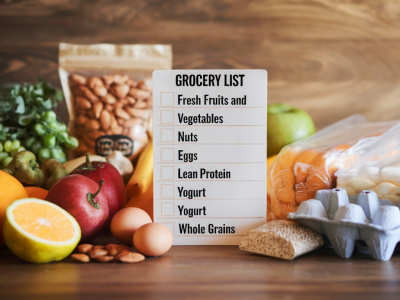
I started experimenting with time-restricted eating (TRE) a few years ago to improve my daytime energy and simplify meal planning. Like many people, I quickly noticed one unexpected thing: some nights my sleep felt shallower or I woke earlier than usual. That prompted a deeper look into how intermittent fasting and sleep interact — and to try small, practical changes that let me keep the benefits of TRE without sacrificing rest.
Can intermittent fasting harm your sleep?
Short answer: it can, for some people and in certain circumstances — but it doesn’t have to. The relationship between eating patterns and sleep is complex. Hunger, changes in hormones like cortisol and ghrelin, caffeine timing, and how close your last meal is to bedtime all influence sleep quality. For many people, TRE improves sleep by stabilizing blood sugar and reducing late-night eating. For others, especially when fasting windows are too long or misaligned with their circadian rhythm, sleep can suffer.
Here are common sleep-related issues people report with TRE and why they happen:
How I assessed whether TRE was affecting my sleep
I treated this like a small experiment. I kept a simple sleep diary and made one change at a time so I could see what helped. Key things I tracked:
One useful tool was a basic sleep tracker and a phone app for logging food timing. That combination made patterns obvious: nights after a very early dinner I slept better; nights with an early, long fast (14–16+ hours) sometimes led to early wakening.
Practical tweaks to protect sleep while doing TRE
Below I share adjustments I tested and that consistently improved my sleep. These are practical, evidence-aligned tweaks rather than rigid rules — you can pick what matches your lifestyle.
If you’re experimenting with a long fast that ends early in the day but starts early in the evening, try shifting your eating window later or shortening it by an hour. For example, instead of stopping eating at 6 pm, try 7 pm. Even one hour can reduce nighttime hunger and help maintain stable blood sugar overnight.
Include protein, fiber, and a small amount of healthy fat to promote satiety without overloading digestion. Think grilled salmon or tofu with roasted veg and a small portion of brown rice, or a lentil salad with avocado. Avoid very large, fatty meals right before bed — those can cause reflux and fragmented sleep.
Some people extend wakefulness during fasting because they rely on coffee or caffeinated tea to blunt hunger. I limit caffeine to the first half of my day and switch to herbal tea or decaffeinated options after 2 pm. If you use supplements like L-theanine for calm focus, try taking them earlier rather than late.
If you’re genuinely hungry before bed and it’s disrupting sleep, a small snack can help — ideally something that won’t spike blood sugar. Examples: plain Greek yogurt with a few berries, a small handful of nuts, or a slice of turkey. This doesn’t “break” TRE for many people if it’s a modest, planned choice to protect rest.
There’s growing evidence that eating earlier in the day (front-loading calories) better aligns with circadian biology, but late-evening fasting that creates long overnight fasts can also cause early awakenings. Try starting your eating window mid-morning and finishing early evening (e.g., 10:00–18:00) if you’re a morning person. Night owls may prefer a later window but should avoid very late dinners.
Dehydration can cause wakefulness, but drinking large volumes of water right before bed leads to nocturnal bathroom trips. Spread hydration through the day and taper in the evening. If fasting makes you thirstier, sip water or mineral-rich drinks like electrolyte tablets earlier in the evening.
Simple sleep-supporting routines become more important when you’re experimenting with eating times. Dim lights after sunset, avoid screens for 30–60 minutes before bedtime, keep your bedroom cool (around 16–19°C / 60–67°F), and try a wind-down routine like reading or light stretching.
When to modify or pause TRE
Intermittent fasting isn’t a one-size-fits-all solution. Consider slowing down or stopping TRE if:
Practical examples of eating windows and bedtime tweaks
| Scenario | Example Window | Sleep-friendly tweak |
| Morning person, early bedtime | 9:00–17:00 | Move window to 10:00–18:00 or add a light evening snack to prevent early waking |
| Night owl, late work hours | 12:00–20:00 | Avoid heavy meals within 2 hours of bed; finish eating by 20:00 if bed is at 22:30 |
| Long fast causes early waking | 16–18 hr fasts | Reduce fast to 12–14 hours or bring dinner 30–60 minutes later |
What I keep in mind
My guiding principle is flexibility. TRE can be a helpful tool, but sleep is foundational — if fasting consistently undermines rest, it’s not worth the trade-off. Small, personal experiments (changing one variable at a time) helped me find a pattern that supported both better daytime energy and solid sleep.
If you want, tell me your current eating window and typical bedtime and I’ll suggest one or two targeted tweaks you could try this week. I’ll keep recommendations practical and easy to test so you can quickly see what works for you.