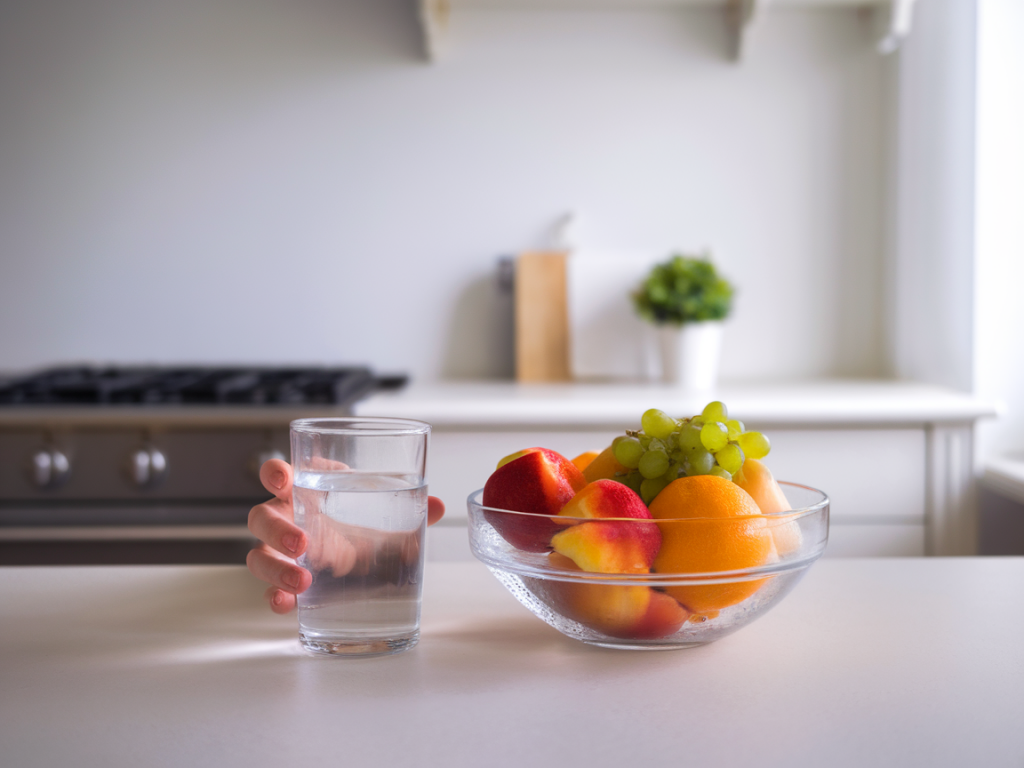
I used to accept tension and recurring headaches as part of my daily rhythm — a mid-afternoon fog that coffee would only briefly lift. Over time I learned that one of the simplest, most overlooked drivers of chronic headaches is hydration. Not just “drink more water” as a vague prescription, but how, when, and what you drink interacts with your body’s fluid balance, electrolytes, and nervous system to either reduce or trigger head pain.
Below I explain the science behind dehydration-related headaches, how to tell if hydration is likely the issue for you, and a practical, three-step plan you can try today. This is based on evidence-backed guidance and the sorts of strategies I use and recommend to clients — straightforward, doable changes that stack up over time.
Why dehydration causes headaches
When total body water drops, several things happen that can provoke a headache:
- Reduced blood volume: Less circulating fluid can lower blood flow to the brain or alter blood vessel tone, triggering pain-sensitive structures.
- Electrolyte imbalance: Sodium, potassium and other electrolytes help neurons and blood vessels function. When they shift, nerve excitability and vascular reactivity can change — both of which are linked to headaches.
- Inflammatory mediators: Dehydration can increase certain inflammatory signals and stress hormones, sensitising pain pathways.
- Viscous blood and oxygen delivery: A mild increase in blood viscosity can reduce microcirculatory efficiency, making the brain more susceptible to headache.
Clinical research shows that both acute dehydration and chronic low hydration status can increase headache frequency and intensity. For people who already experience migraines or tension-type headaches, dehydration is a common trigger.
How to tell if your headaches are linked to hydration
Not every headache is caused by hydration — migraine triggers and tension headaches have many contributors. But hydration-related headaches tend to have some recognizable patterns:
- Headache improves within 30–90 minutes of drinking fluids (often water and electrolytes).
- Headaches occur after missed meals, long workouts, alcohol, or prolonged time outdoors in heat.
- You notice other dehydration signs: dry mouth, dark urine, lightheadedness, or decreased sweat during exertion.
- Headache frequency increases on travel days, after heavy alcohol, or during illness with fever/diarrhea.
If your headaches consistently match one or more of these, hydration is a plausible factor to address before escalating to heavier medication or specialist care (though I always recommend seeing a doctor if headaches are severe, worsen, or have unusual features).
Quick hydration check you can do now
- Look at your urine colour — pale straw-coloured is a good target. Darker urine suggests underhydration.
- Weigh yourself before and after a long session of exercise. A loss of >1–2% of body weight indicates meaningful fluid deficit.
- Notice the time between your last drink and when pain starts. Very short latency (within an hour) is a strong clue.
Three-step plan to reduce dehydration-related headaches
These steps are practical and sequential. Try them for 2–4 weeks and track changes in headache frequency and severity.
Step 1 — Assess and track
- Keep a simple log: For two weeks record when headaches start, sleep, alcohol, exercise, meals, and what/when you drink. Even a short daily note helps identify patterns.
- Use measurable markers: Check urine colour in the morning and mid-day. Use a kitchen scale to monitor weight change around exercise sessions.
- Set a baseline water goal: Use the table below as a starting guideline (individual needs vary). Aim to meet it first, then tweak.
| Body weight | Suggested daily fluid target (including food) |
|---|---|
| 50 kg (110 lb) | 2.0–2.5 L |
| 70 kg (154 lb) | 2.5–3.0 L |
| 90 kg (198 lb) | 3.0–3.5 L |
Note: These are starting points — people who sweat a lot, drink alcohol, or are ill will need more. Foods (soups, fruits, vegetables) count toward total intake.
Step 2 — Hydrate smarter (not just more)
- Start your day with fluid: I recommend a glass of water (250–350 ml) within 30 minutes of waking — it helps restore overnight fluid losses and can reduce morning headaches.
- Use electrolyte-containing drinks when needed: Plain water is excellent for routine hydration, but after heavy sweating, vomiting, or diarrhea, use a low-sugar oral rehydration drink (you can try Tailwind, Nuun tablets, or a DIY mix of water, a pinch of salt and a small squeeze of fruit juice). Electrolytes support cell function and reduce the chance of a washout effect where drinking plain water dilutes sodium too quickly.
- Time fluids around known triggers: If coffee eases your head temporarily, consider that caffeine both relieves and can cause rebound headaches. Pair caffeine with water and don’t rely on it to mask dehydration.
- Carry a bottle and set reminders: Refillable bottles (hydro flask, CamelBak) with time markers or phone reminders make a big difference for people who forget to sip all day.
Step 3 — Fix the context: sleep, nutrition, alcohol and activity
Hydration doesn’t work in isolation. I recommend these complementary habits:
- Regular meals: Low blood sugar can amplify headache risk. Eating balanced meals with protein and healthy fats helps stabilise energy and fluid balance.
- Limit alcohol and manage caffeine: Alcohol is a diuretic and can cause pronounced dehydration the next day. If you drink, increase fluid intake and include an electrolyte beverage before bed. Moderate caffeine and avoid late-afternoon excess.
- Improve sleep and posture: Poor sleep and neck tension frequently coexist with dehydration to provoke headaches. Prioritise regular sleep and simple posture breaks during long desk work (gentle neck stretches, 5–10 minute mobility every hour).
- Smart exercise hydration: For workouts under an hour in cool conditions, sip water. For longer or hot sessions, use a sports drink or add electrolytes to water.
When to see a clinician
If you try these strategies for a few weeks and headaches persist or worsen, seek medical evaluation. Also see a doctor immediately if headaches are sudden and severe, associated with fever, confusion, visual problems, weakness, or vomiting — those are red flags. A healthcare provider can check for other causes (migraine, medication overuse, cervical issues, sinus disease, intracranial problems) and may order blood tests to assess sodium and kidney function if appropriate.
Hydration is often an easy win — a small change in daily fluid habits can meaningfully reduce headache burden for many people. Give the three-step plan a fair trial, track what changes, and adjust to your lifestyle. If you want, share your hydration log or questions and I’ll help you fine-tune the approach for your routine.