Sleep & Recovery

Why your sleep tracker shows low deep sleep and what to change tonight to fix it

Why your sleep tracker shows low deep sleep and what to change tonight to fix it

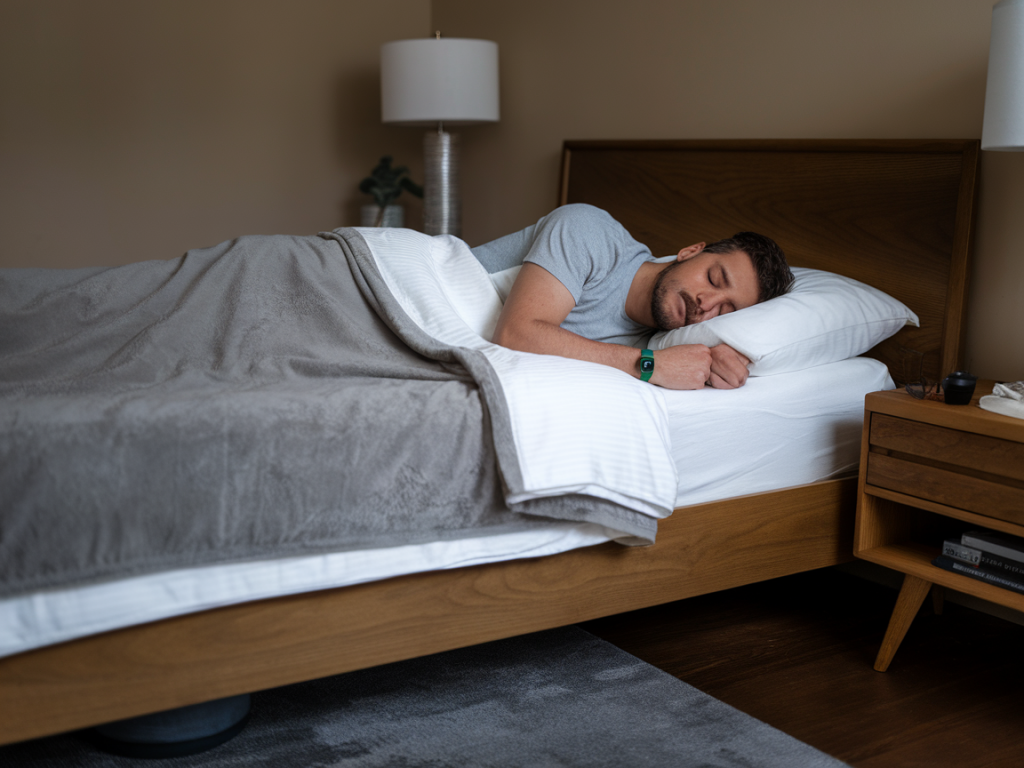
I opened my sleep app last week and, like many of you, felt a little deflated: my deep sleep number had tanked. If you rely on a wearable—an Oura ring, Apple Watch, Fitbit, Whoop or similar—seeing a low deep sleep score can feel like a personal failure. I’ve looked into the research, spoken to sleep specialists, and experimented with habits over years, and here’s what I’ve learned: the numbers often reflect a mix of physiology, timing, environment and how the device measures sleep. Most importantly, there are changes you can try tonight that actually move the needle.

Why your tracker might show low deep sleep

First, let’s demystify what “deep sleep” means on your device. Most wearables estimate deep sleep using heart rate patterns, heart rate variability (HRV), movement and sometimes skin temperature. They don’t directly measure brain waves like an EEG in a sleep lab. That matters because the algorithms make educated guesses—and sometimes get it wrong.

Here are the common reasons you see low deep sleep readings:

  • Device limitations: Wrist and ring sensors infer sleep stages from proxy signals. Different brands use different algorithms, so your Oura might report more deep sleep than your Apple Watch.
  • Age and biology: Deep sleep naturally declines with age. If you’re over 50, lower deep sleep is common and not necessarily a red flag.
  • Sleep timing misalignment: Deep sleep mainly occurs in the first half of the night. If you go to bed very late or have irregular sleep times, you can miss that window.
  • Stress and late-day arousal: High evening stress, adrenaline, caffeine or heavy exercise too close to bedtime reduces the body’s ability to enter deep sleep.
  • Alcohol and certain medications: Alcohol can fragment sleep—reducing deep sleep initially and causing rebound lighter sleep later. Some medications (SSRIs, stimulants) alter sleep architecture too.
  • Poor sleep continuity: Waking frequently or sleeping in a noisy environment interrupts long deep sleep episodes, lowering the tracked total.
  • Underlying sleep disorders: Conditions like sleep apnea fragment sleep and suppress deep stages; restless legs syndrome can do the same.
  • What deep sleep actually does—and what matters most

    Deep sleep (slow wave sleep) supports physical recovery: tissue repair, immune function and hormone regulation (think growth hormone). It’s often linked to feeling refreshed after a good night. But it’s not the only marker of a restorative night—REM sleep and total sleep time matter too. So rather than obsessing only over that deep sleep percentage, focus on overall sleep quality and consistency.

    Simple changes you can try tonight

    Below I outline practical, evidence-backed adjustments I’ve used or recommended that can help increase estimated deep sleep—or improve restorative sleep overall. Try one or two and see how your body responds rather than changing everything at once.

  • Shift your bedtime earlier by 30–60 minutes: Since deep sleep is concentrated in the first half of the night, going to bed earlier can increase the chance of more slow wave sleep.
  • Stick to a consistent wake time: Regular wake times train your circadian rhythm, which promotes stronger sleep cycles and better deep sleep over time.
  • Cool your bedroom: Aim for 16–19°C (60–67°F). A cooler core and skin temperature help initiate deep sleep. Showering warm then cooling down quickly can also help.
  • Limit alcohol and late caffeine: Avoid alcohol within 4–6 hours of bedtime and caffeine after mid-afternoon. Both can disrupt sleep architecture.
  • Wind down with low-arousal activities: Prefer reading, light stretching, or a short mindfulness session to doomscrolling. I use a 20-minute routine: dim lights, two yoga stretches, 10 minutes of breathing and a short gratitude note.
  • Try light resistance or a short walk earlier in the day: Moderate exercise promotes deep sleep, but keep intense training at least 3 hours before bed.
  • Manage evening stress: A brief 10–15 minute cognitive unload—jotting worries down—can cut bedtime rumination and improve sleep continuity.
  • Small practical bedtime routine I use

    I keep a short, repeatable routine that signals “sleep time” to my body. It’s simple and fits busy nights:

  • 90–60 minutes before bed: dim the lights and stop blue-screen work.
  • 30 minutes before bed: light stretching or 10-minute walk if I haven’t been active.
  • 10 minutes before bed: 5-minute progressive muscle relaxation or box breathing.
  • On the pillow: 1–2 minutes of gratitude or a single intention for the next day—no problem-solving.
  • Quick checklist to try tonight

    ActionWhy it helps
    Go to bed earlierIncreases chance to capture deep sleep window
    Cool room to 16–19°CPromotes physiological conditions for deep sleep
    No alcohol or caffeineReduces fragmentation and arousal
    Wind-down routine (30–60 min)Lowers arousal, improves sleep continuity
    Consistent wake timeStrengthens circadian rhythm
    Limit intense evening workoutsAvoids late-night adrenaline that suppresses deep sleep

    When to look beyond habits

    If you consistently have very low deep sleep alongside daytime tiredness, loud snoring, gasping, or frequent awakenings, it’s worth checking for sleep apnea or other disorders. If you have restless legs or periodic limb movements, mention it to your clinician. A home sleep apnea test or a lab polysomnography will give a direct measure of sleep stages (EEG) and help differentiate device error from genuine sleep architecture issues.

    What to expect from your tracker

    Don’t expect instant miracles. Sleep patterns adapt over weeks, not nights. Also accept that your wearable’s algorithm can change with firmware updates and that numbers can vary night to night. I use trends over 2–4 weeks to judge whether a change is meaningful rather than reacting to a single low-deep-sleep night.

    Finally, remember that quality often beats a particular metric. If you wake feeling restored, your recovery is probably working even if the tracker under-reports deep sleep. Use the data as a helpful guide, not a verdict.
    You should also check the following news:

    Which over-the-counter pain reliever to choose for exercise soreness: timing, dosage and when to skip it
    Fitness

    Which over-the-counter pain reliever to choose for exercise soreness: timing, dosage and when to skip it

    I get asked a lot: “Which painkiller should I take after a hard workout?” It’s a practical...

    Mar 10 Read more...
    how to tell if your magnesium supplement is actually helping sleep: what to test, when to expect changes and the best form to buy
    Sleep & Recovery

    how to tell if your magnesium supplement is actually helping sleep: what to test, when to expect changes and the best form to buy

    I started taking magnesium to help with sleep because I, like many people, wanted a simple,...

    Feb 10 Read more...