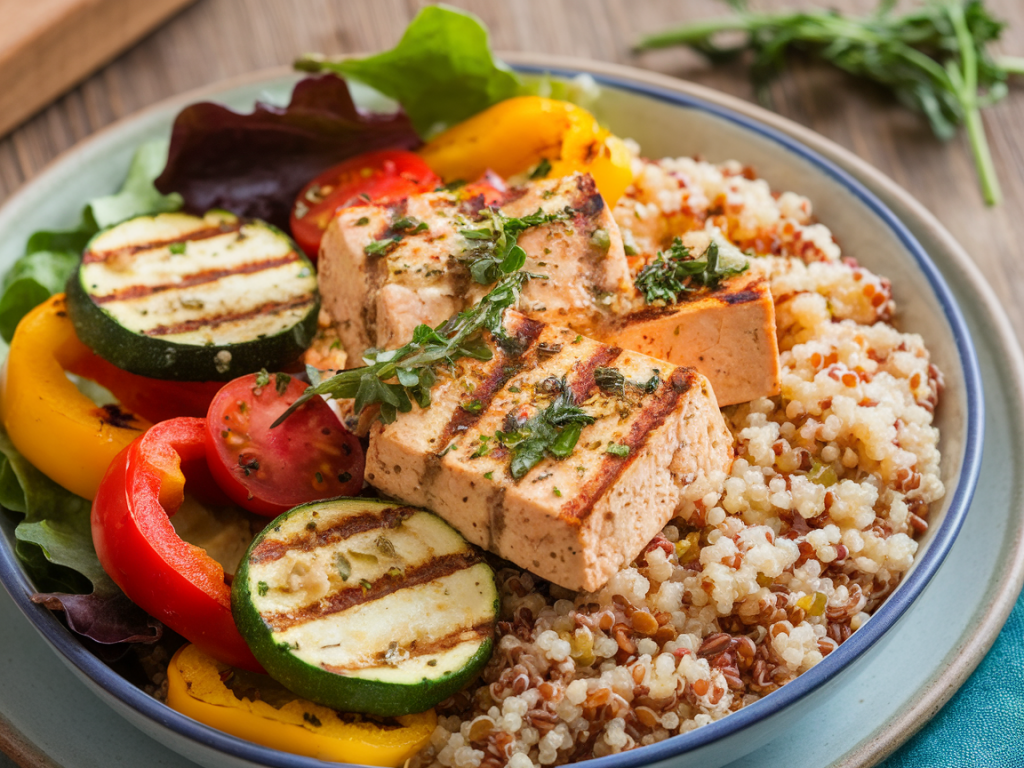
I remember the first time I tried to bulk up as a vegetarian while juggling a full-time job and a social life — it felt like an algebra problem with too many variables and not enough time. Over the years I learned to simplify that problem into a repeatable system: a balanced plate that prioritises protein, fills in energy with smart carbs, and supports recovery with fats and micronutrients. Below I’ll share practical, time-saving strategies and concrete plate templates you can use straight away.
What "balanced for muscle gain" really means
When I say a plate is balanced for muscle gain, I mean it covers three core needs:
Sufficient protein to support muscle repair and growth.Quality carbohydrates to fuel workouts and restore glycogen.Healthy fats and micronutrients to support hormones, recovery and overall health.For most vegetarians trying to gain muscle, a good rule of thumb I use is roughly 0.7–1.0 grams of protein per pound of bodyweight per day (1.6–2.2 g/kg). If you’re short on time, that doesn’t mean complicated cookery — it means planning plates that reliably deliver 20–40 g of protein per meal and using quick wins like canned legumes, pre-cooked grains and protein-focused snacks.
Quick protein sources I rely on
These are my go-to choices when I’m pressed for time. I keep several stocked at home or in the office fridge:
Greek yogurt / Skyr — 15–20 g protein per 200 g. Great for bowls or shakes.Cottage cheese — 12–15 g per 100 g.Protein powders (pea, soy, or whey if you’re lacto-vegetarian) — 20–25 g per scoop; mix into oats or smoothies.Canned lentils, chickpeas, black beans — 7–9 g per 100 g; heat and season.Tempeh and tofu — 15–20 g per 100 g for tempeh; tofu varies by type.Edamame — 11 g per 100 g, quick to steam.Nuts and seeds (pumpkin seeds, hemp seeds) — concentrated and useful as toppings; hemp gives complete amino profile.Ready-made options like high-protein hummus, seitan, or vegetarian sausages — useful in a pinch.My simple, time-saving plate blueprint
When I’m assembling a plate in 10 minutes, I think in thirds:
One-third protein-forward (20–40 g): tofu scramble, tempeh stir-fry, 2 scoops of protein powder blended into yogurt, or a can of lentils + cottage cheese.One-third carbs (1–2 fist-sized portions): quick-cook brown rice, microwavable quinoa pouches, sweet potato cubes, or wholemeal wraps.One-third vegetables + fats: a mix of leafy greens + 1–2 tablespoons olive oil, or avocado, nuts and seeds for healthy fats.This mental template keeps meals balanced no matter what’s in your fridge.
Two fast plate examples I make weekly
| Meal | Ingredients | Protein estimate | Why it works |
| 15-min Tempeh Bowl | 150 g tempeh, microwavable brown rice pouch, steamed spinach, 1 tbsp sesame oil, soy + chilli | ~30 g | Tempeh is high-protein and quick to pan-fry; rice pouch saves time; healthy fats from sesame oil. |
| Greek Yogurt Power Salad | 300 g Greek yogurt, 1 can chickpeas (drained), mixed greens, cucumber, hemp seeds, lemon | ~35 g | No-cook, mix-and-go. Hemp seeds provide extra protein and omega-3s. |
Batching and time hacks that actually save time
Over the years I found a few habits that make it trivial to get high-protein meals on busy days:
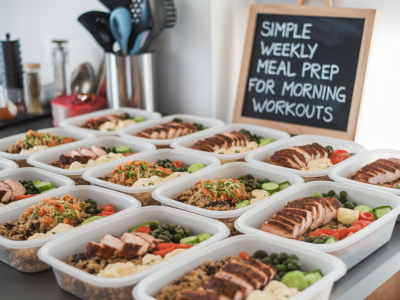
Cook one bulk protein on Sunday — roast a tray of tofu/tempeh or bake a frittata. Portion into containers.Use shelf-stable or quick-cook staples — canned beans, pouch quinoa, frozen veg and edamame are lifesavers.Keep a protein powder in your bag — a quick shake mixed with water or milk after a gym session is better than skipping the post-workout protein.Double up recipes — make a stir-fry with extra tempeh to have leftovers for lunches.Mixing proteins for a complete amino profile
Plant proteins can be lower in certain amino acids, so I always combine sources across the day or in the same meal. Examples I use:
Rice + lentils (khichdi) — complementary on the amino acid front.Peanut butter on whole grain bread plus a yogurt — spreads out protein sources.Oats with protein powder and a spoonful of chia or hemp seeds — quick breakfast with complete profile.Portion guidance without counting obsessively
If you don’t want to track every gram, I use visual cues:
Protein: palm-sized portion of a dense protein (tempeh/tofu/cottage cheese) or 1–2 scoops of protein powder at each main meal.Carbs: 1–2 cupped hands of cooked grains or starchy veg.Veggies: at least one open hand of vegetables (ideally two).Fats: a thumb-sized amount of oil or 1–2 tablespoons of seeds/nuts.That typically gets me in the ballpark of calories and macronutrients for muscle gain without obsessing over every value.
Quick recipes I rely on
Two favorites that take under 15 minutes and work well for meal prep:
5-minute lentil stir bowl: heat canned lentils, toss with pre-washed spinach, microwave rice pouch, drizzle tahini + lemon, sprinkle pumpkin seeds.Protein oatmeal: cook oats with water or milk, stir in a scoop of protein powder, top with nut butter and chopped banana. Add cinnamon.Supplements and extras I use when needed
I prefer food-first, but when time or preferences limit intake, I supplement smartly:
Protein powder — convenient post-workout or to boost low-protein meals.Creatine monohydrate — well-supported for strength gains; 3–5 g daily is what I use.Vitamin B12 — critical for vegetarians; I take a weekly or daily supplement depending on the dose.Omega-3 (algal oil) — if your diet is low in fatty fish equivalents.Common pitfalls and how I avoid them
Here are mistakes I made and how I fixed them:
Relying only on carbs — Early on I’d eat big pasta bowls and wonder why I wasn’t gaining muscle. Solution: add a protein-rich topping (cottage cheese, tempeh or a scoop of protein powder mixed into sauce).Skipping post-workout protein — If I’m short on time I’ll at least sip a protein shake immediately after training.Undereating — Gaining requires a modest calorie surplus. I use a food app for a few weeks to estimate needs, then track with portion visuals.If you want, I can put together a one-week sample meal plan for your weight and activity level (or a grocery list based on the quick recipes above). Tell me your typical schedule and any food dislikes or allergies and I’ll adapt it so you spend less time thinking and more time lifting and recovering.