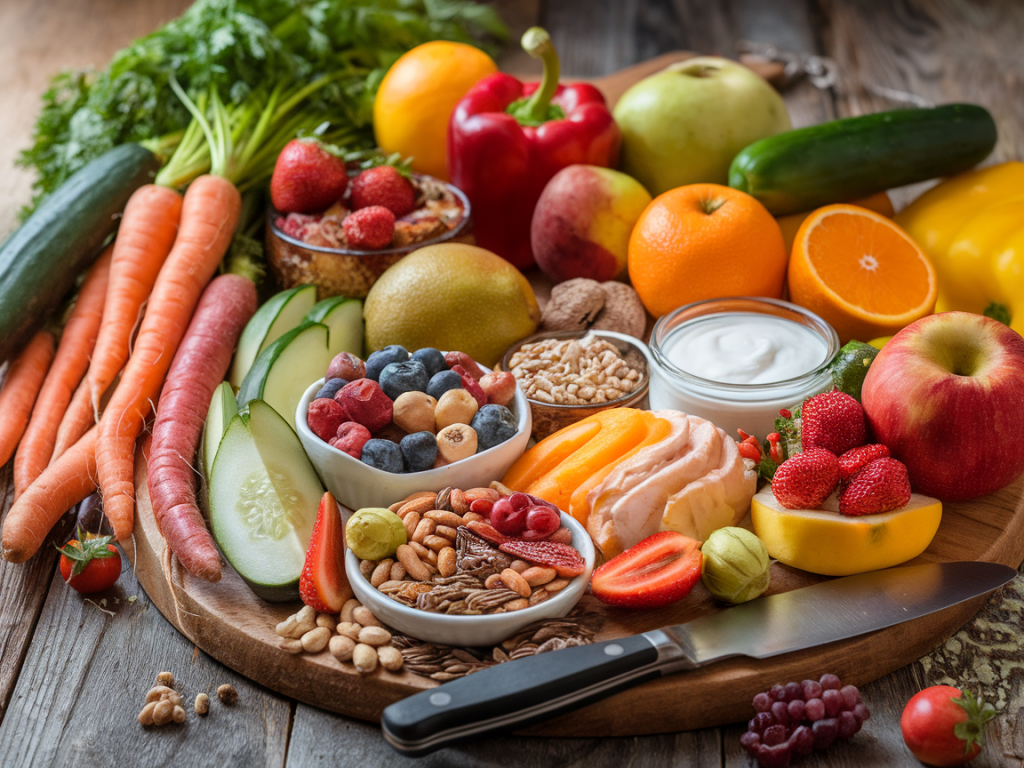
I’ve spent years helping people simplify nutrition so it actually fits into busy lives — and one of the most common complaints I hear is bloating. It’s frustrating, uncomfortable, and often avoidable with a few smart swaps in your meals. Below I share 10 ingredient changes that I regularly recommend to my clients. Each swap is practical, evidence-aligned, and easy to implement without turning your entire diet upside down.
Why small swaps matter
Bloating can come from many causes: fiber changes, fermentable carbohydrates (FODMAPs), lactose intolerance, gas-producing foods, or simply eating too quickly. Rather than imposing strict restrictions, I prefer targeted swaps — keep the flavours and routines you love, but substitute one ingredient for another to reduce gas and discomfort. Small, consistent changes often bring the biggest wins.
How I picked these swaps
I focused on ingredients that commonly trigger bloating for many people, but also provided alternatives that are generally well-tolerated, nutrient-dense, and easy to source. I’ve tested these personally and with clients, and I pair each suggestion with a short reason why it helps and practical tips for using it.
10 ingredient swaps that reduce bloating
- Replace cow’s milk with lactose-free milk or fortified almond milk
If you’re lactose intolerant (even mildly), regular milk quickly leads to bloating and gas. I recommend lactose-free milk, which is cow’s milk with the lactose pre-broken down, or a fortified almond or oat milk if you prefer plant-based. Brands like Alpro and Oatly work well for most people. Tip: use them in coffee, cereal, and smoothies.
- Swap beans/canned legumes for canned lentils or well-soaked beans
Beans are nutritious but can be gas-inducing due to oligosaccharides. Canned lentils tend to cause less discomfort for many people because of their different carbohydrate profile, and thoroughly rinsing canned beans or soaking dried beans overnight reduces fermentable carbs. You can also try adding a piece of kombu seaweed to the cooking water — it helps with digestibility.
- Use white potato instead of sweet potato mid-week
Sweet potatoes are fibrous and contain resistant starch that can be fermentable in some people, causing bloating if eaten frequently. White potatoes (boiled or roasted) are lower in certain fermentable fibers and often easier on the gut. Rotate starches rather than eliminating them — variety matters.
- Choose rice (especially basmati) instead of barley or wheat bulgur
Some whole grains like barley and bulgur are rich in fermentable fibers that can provoke bloating in sensitive people. Basmati rice and other low-FODMAP rice varieties are typically gentler. I keep a jar of basmati rice as my go-to carb for days when I want less digestive noise.
- Swap raw cruciferous vegetables (broccoli, cauliflower) for cooked versions or leafy greens
Raw crucifers are notorious for causing gas due to raffinose and high fiber. Lightly steaming or roasting them breaks down some of those compounds and makes them much easier to digest. Alternatively, choose spinach, rocket (arugula), or Swiss chard, which tend to be better tolerated raw.
- Use garlic-infused oil instead of raw garlic
Garlic is rich in fructans — a FODMAP that causes bloating in sensitive guts. Garlic-infused olive oil provides the flavor without the insoluble fructans (they aren’t oil-soluble), so you get the aroma and taste without the bloat. I use it for dressings and sautéing.
- Replace apples and pears with kiwi or oranges as snacks
Apples and pears are high in sorbitol and fructose, both fermentable sugars that can cause bloating. Kiwi and oranges are lower in these sugars and add a vitamin C boost. Kiwis also contain actinidin, an enzyme that aids protein digestion — a nice bonus after a protein-rich meal.
- Swap carbonated drinks for still mineral water or herbal tea
Bubbles mean swallowed gas, which often shows up as bloating. Replace fizzy drinks with still mineral water (adds electrolytes) or herbal teas like peppermint or ginger, which can soothe the digestive tract. I keep peppermint tea at hand after heavy meals.
- Replace ready-made salad dressings with homemade oil+acid dressings
Many commercial dressings contain high-fructose corn syrup, onion, or garlic powder — sneaky sources of FODMAPs. A simple combo of olive oil, lemon or vinegar, mustard, salt, and pepper gives great flavour without hidden triggers. Add a spoonful of yogurt (lactose-free if needed) for creaminess.
- Choose hard cheeses (cheddar, parmesan) over soft cheeses (brie, ricotta)
Hard, aged cheeses are typically low in lactose because aging breaks it down, so they’re often better tolerated than fresh, soft cheeses that retain more lactose. If you’re reducing bloating related to dairy, try Parmigiano-Reggiano or mature cheddar in moderation.
Quick swap table for easy reference
| Common trigger | Swap to | Why it helps |
|---|---|---|
| Cow’s milk | Lactose-free milk / almond milk | Removes lactose, reducing fermentation |
| Raw broccoli | Steamed broccoli / spinach | Cooking reduces gas-forming compounds |
| Beans | Canned lentils / soaked beans | Lower fermentable carbs, rinsing removes oligosaccharides |
| Apples/pears | Kiwi/orange | Less sorbitol/fructose |
| Fizzy drinks | Still water / ginger tea | Avoid swallowed gas; ginger soothes gut |
Practical tips to make swaps stick
Swaps are only useful if you actually use them. Here are the habits I push clients toward:
- Introduce one swap at a time and give it a week to observe changes.
- Keep a short meal log noting how you feel after meals — timing and portion size matter.
- Combine swaps: for instance, swap milk and avoid raw crucifers on the same day to see compounding benefits.
- Remember variety: rotating grains and vegetables prevents creating new intolerances.
- When in doubt, consult a dietitian for an elimination reintroduction plan — especially if symptoms are severe.
Sample meal using gentle swaps
Here’s a quick plate I often make when I want minimal digestive fuss:
- Grilled chicken or tofu marinated in lemon, herbs, and garlic-infused oil
- Roasted white potatoes
- Steamed broccoli (short steam) and sautéed spinach
- A small portion of basmati rice
- Kiwi for dessert and peppermint tea after the meal
Bloating doesn’t have to be a daily burden. With simple, science-aware swaps you can keep meals enjoyable and comfortable. Try one or two of the changes above this week and see what shifts — small experiments tend to reveal surprising wins.