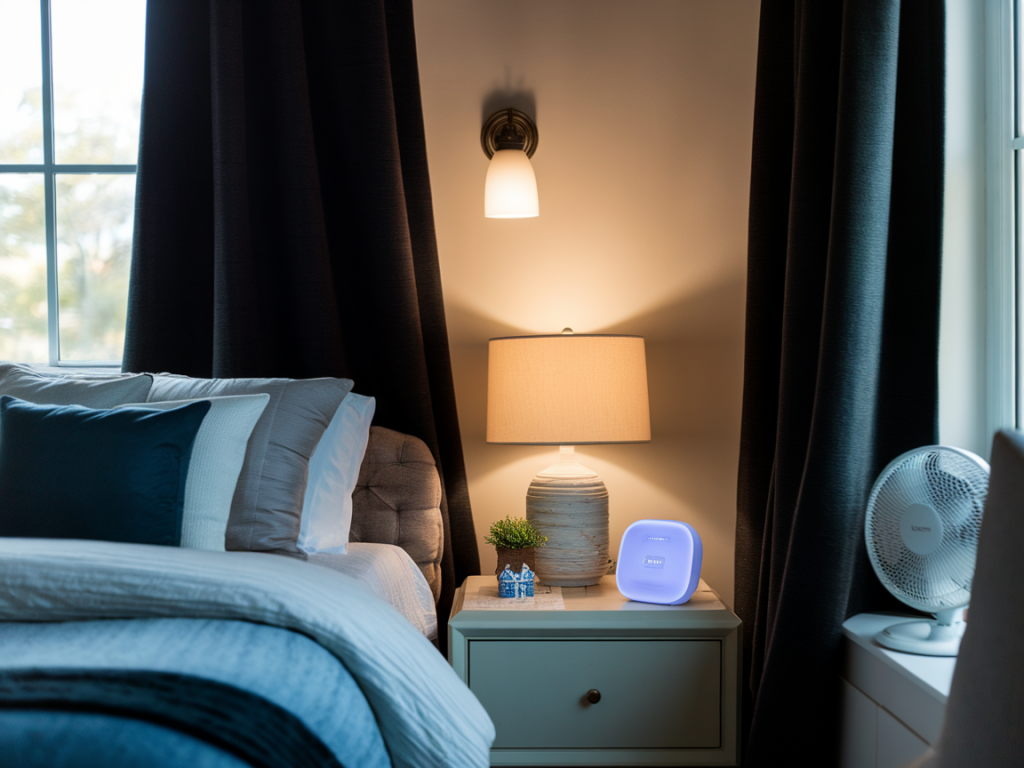
I care a lot about sleep quality, and over the years I’ve learned that improving REM sleep often isn’t about one magic gadget — it’s about getting the bedroom environment right. Small, consistent changes to lighting, temperature and how you use technology can add up to noticeably deeper REM cycles and more restorative mornings. Below I share a practical, science-informed bedroom checklist I use myself and recommend to clients. It’s focused, doable, and doesn’t rely on extreme interventions.
Why the bedroom matters for REM
REM sleep is tightly linked to your circadian rhythm and the balance of sleep stages across the night. Light exposure, core body temperature, and night-time disruptions all shape whether you move smoothly into REM cycles and how long those cycles last. In my experience, adjusting the bedroom environment is often the fastest way to protect REM — without changing your whole life.
Lighting: cues for melatonin and circadian rhythm
Light is the strongest environmental signal for your internal clock. To encourage healthy REM, I focus on two things: reducing light exposure in the hour or two before bed, and keeping bedroom lighting dim and warm overnight.
- Evening dim-down: Aim to lower ambient light to below about 10 lux in the hour leading up to bed. Practically, that means using lamps with low-watt bulbs, lampshades that diffuse light, or smart bulbs set to a very low level. Many people underestimate how bright kitchens and living rooms are at night — I turn off overheads and switch to a single warm lamp.
- Colour temperature: Warm light (≤ 3000K) is friendlier to melatonin production. I use Philips Hue or other tunable smart bulbs set to 2200–2700K after sunset. If you don’t have smart bulbs, swap to warm LED bulbs or use low-blue “amber” bulbs in bedside lamps.
- Night lights and hallway light leaks: Even small light leaks can fragment sleep. Blackout curtains or blinds help, and I use adhesive blackout strips around doors where light seeps under the frame. For necessary night lights, choose very low-lumen amber LEDs.
- Device light: Minimise screens as bedtime approaches. If you must use a phone, enable Night Shift (iOS), Night Light (Android/Windows), or f.lux on desktop to reduce blue light. Better yet, activate “Do Not Disturb” and place devices screen-down or out of the bedroom.
Temperature: target ranges to improve REM
Your core body temperature drops to initiate sleep and the right bedroom temperature supports that process. From reading the literature and experimenting, I settled on a fairly narrow range that works for most people.
- Bedtime and overnight temperature: Aim for a bedroom between 16°C and 19°C (61°F–66°F). That range supports the natural decline in body temperature that helps sleep onset and sustained REM cycles. If you tend to get cold, adjust up a degree or two, but remember that being too warm is usually worse for REM fragmentation.
- Layer bedding, not thermostats: I use breathable bedding (cotton or linen) and easily removable layers so I can fine-tune comfort without raising the room temperature. A lightweight duvet plus a throw is enough in my climate for most nights.
- Cooling tools: For people who run hot, a cooling pillow (gel-infused or breathable foam) and a cool mattress protector can help. For a tech option, consider the ChiliPAD or similar water-based mattress cooling systems if overheating is persistent.
- Automated control: A smart thermostat (Nest, Ecobee) programmed to lower temperature 60–90 minutes before bedtime and nudge it slightly cooler during the night can make a big difference without you having to think about it.
Tech hygiene: practical rules that protect REM
Light is part of the tech problem, but so is cognitive stimulation and night-time interruptions. I treat my bedroom like a sleep-only zone as much as possible.
- Bedroom = sleep and intimacy only: Avoid working, scrolling social media, or watching emotionally charged shows in bed. Your brain learns associations; when bed equals sleep, falling asleep and entering REM becomes easier.
- Device distance: Keep phones and tablets out of arm’s reach — ideally on a dresser or in another room. If you use your phone as an alarm, consider a basic plug-in alarm clock instead.
- Notifications off: Use “Do Not Disturb” with exceptions for important calls. I set my phone so only family or emergency numbers can bypass the silence overnight.
- Blue-light glasses as a bridge: If your evenings unavoidably include screens (e.g., caregiving, night shifts), orange-tinted blue-light-blocking glasses worn 1–2 hours before bed can reduce circadian disruption.
Sound and interruptions: reduce night awakenings
REM is sensitive to fragmentation. I use simple strategies to blunt disruptive sounds without making the bedroom feel like a bunker.
- White/pink noise: A good white noise machine or app (e.g., LectroFan, Marpac Dohm) can mask intermittent sounds and prevent micro-awakenings. I set volume at a level that masks household noise but still feels comfortable — usually 40–50 dB.
- Earplugs: For particularly noisy nights, low-profile foam earplugs help. Test them during a nap first to ensure they’re comfortable and don’t create pressure issues.
- Partner movements: If partner movement wakes you, consider a mattress with good motion isolation (memory foam or hybrid designs) or a weighted blanket for the non-disturbed sleeper — weighted blankets can improve slow-wave sleep for some people, though their effect on REM is less direct.
Practical checklist (table)
| Item | Target/Goal | Action |
|---|---|---|
| Evening light level | < 10 lux | Use warm bedside lamp, dim smart bulbs, avoid overheads |
| Color temperature | ≤ 3000K (preferably 2200–2700K) | Switch bulbs or use Philips Hue/tunable bulbs on sunset routine |
| Bedroom temp | 16–19°C (61–66°F) | Program thermostat; layer bedding; use cooling pillow if needed |
| Screen time before bed | 0–30 minutes (ideal: 60–90 minutes no screens) | Enable Night Shift/f.lux; use blue-light glasses; move devices out of bedroom |
| Notifications | Silent except essentials | Turn on Do Not Disturb; use basic alarm clock |
| Sound masking | Comfortable, continuous background sound | White/pink noise device or app; earplugs if necessary |
Products and tweaks I actually use
I often get asked for specific tools. I try to keep recommendations practical and budget-aware:
- Smart bulbs: Philips Hue White Ambiance — set routines to warm, dim light after sunset.
- Blackout curtains: affordable thermal blackout panels from IKEA or Amazon — they cut both light and some external noise.
- White noise: Marpac Dohm or LectroFan for reliable masking; even a fan can work well.
- Smart thermostat: Nest or Ecobee — schedule a small temperature drop before bed and a gradual rise before wake time.
- Blue-light glasses: inexpensive orange-tinted lenses for people who can’t avoid screens in the evening.
- Sleep tracker: I use an Oura ring to check patterns; it helps me see if bedroom tweaks actually change REM time, but it’s optional.
Monitoring changes without obsessing
When I make an environmental change, I give it at least two weeks before judging results — sleep varies night-to-night. Use a simple sleep diary or a tracker to look at trends rather than single nights. If REM increases and I feel more refreshed in the morning, that’s the win. If not, iterate: adjust temperature a degree, change light timing, or reduce nighttime stimulation further.
If you want, tell me what your bedroom looks like now — lighting, typical temperature, and your evening screen habits — and I’ll suggest a tailored prioritised checklist you can apply this week.